DISMISS

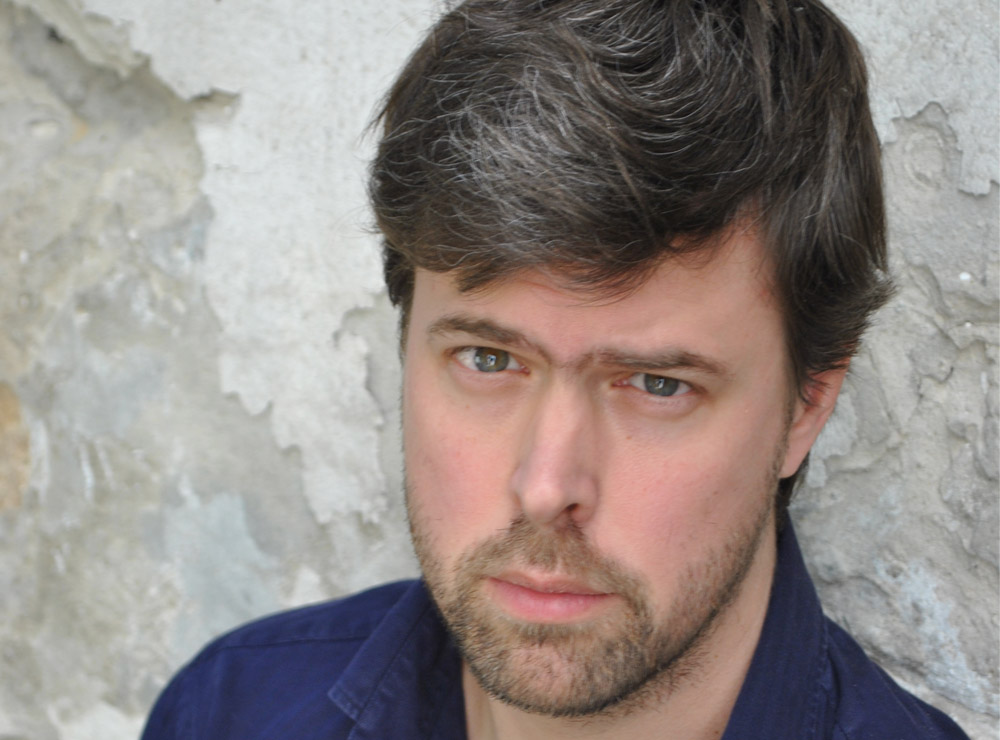
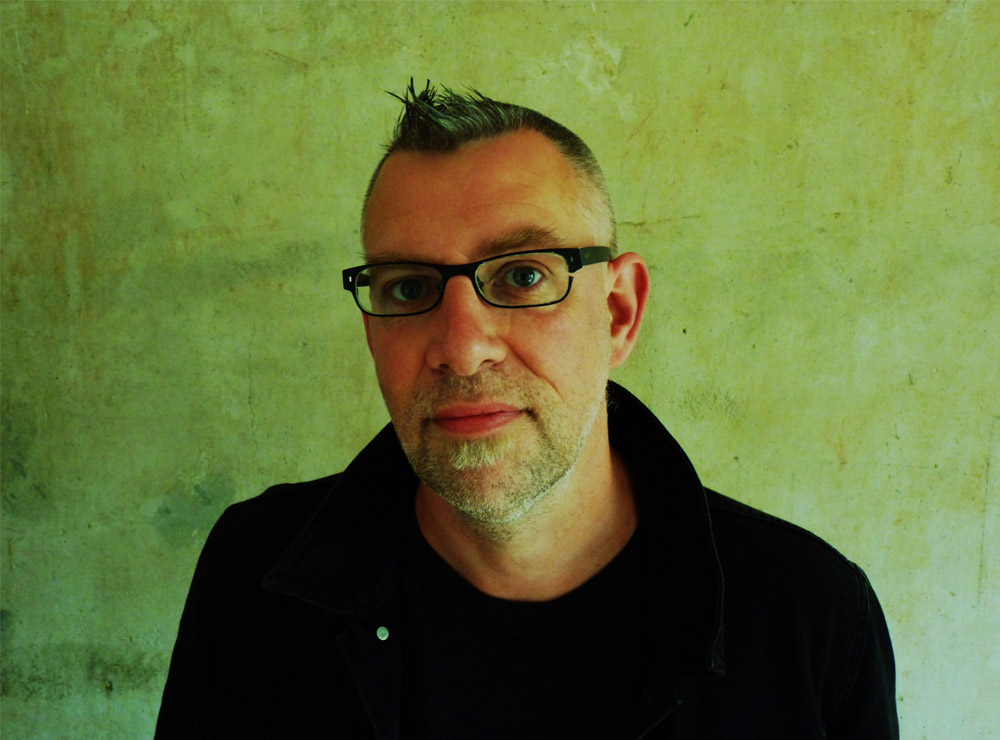
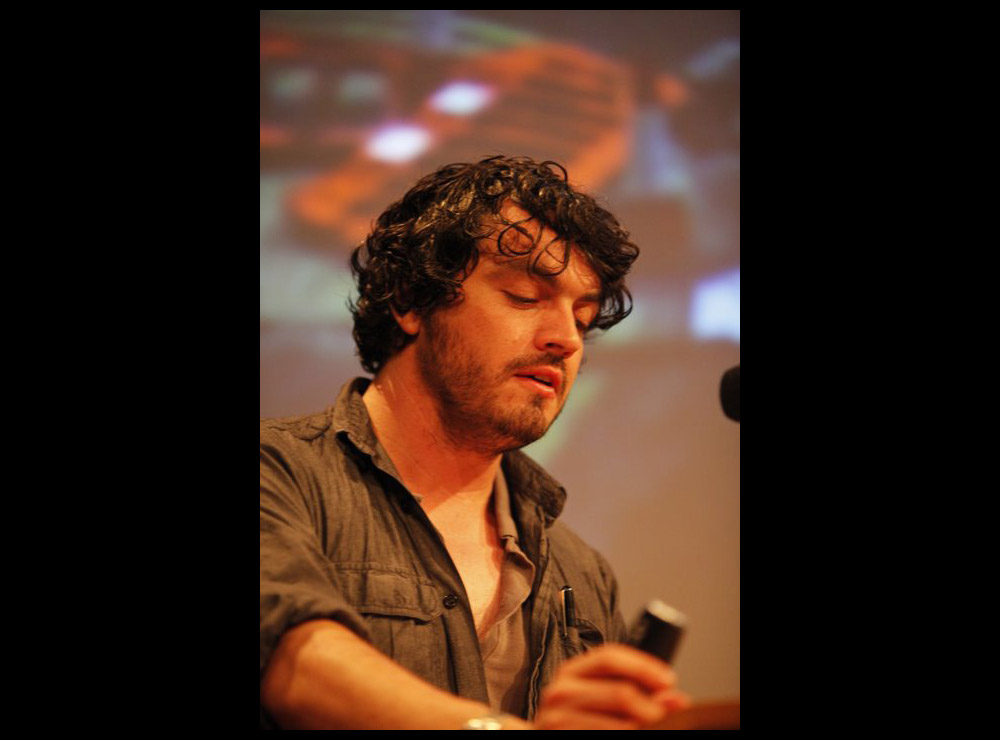
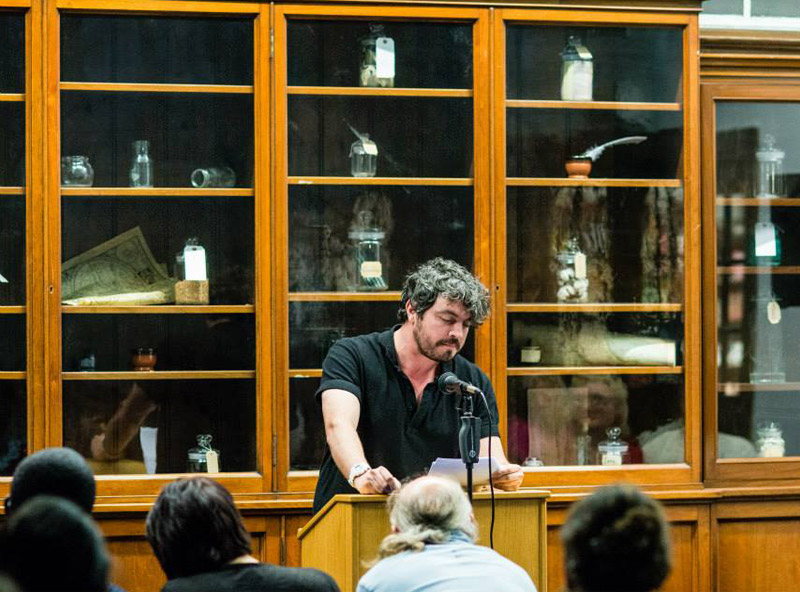
David Szalay

London writer, European, also Canadian

Born in Montreal, Canada. Based in Budapest, Hungary

Main categories

Fiction

Languages spoken

English

About

Born in Canada in 1974, but moved to London as a small child and spent the next 40 years there. Has published four novels: London and the South-East (which won the Betty Trask Prize and the Geoffrey Faber Memorial Prize), The Innocent, Spring, and most recently, All That Man Is, which was short-listed for the 2016 Man Booker Prize and won the 2016 Gordon Burn Prize. Short fiction published in The Paris Review, Harper's, FT, among others. Has also written for BBC radio. Currently lives in Budapest.

REQUEST AN INTRODUCTION
Thank you! Your submission has been received!

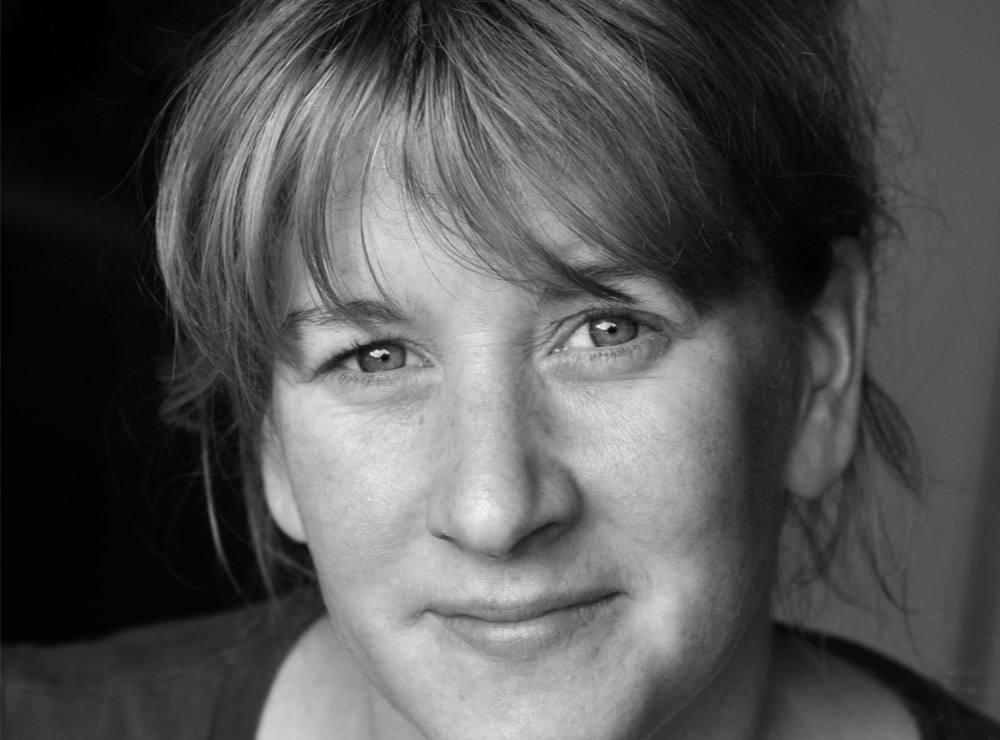
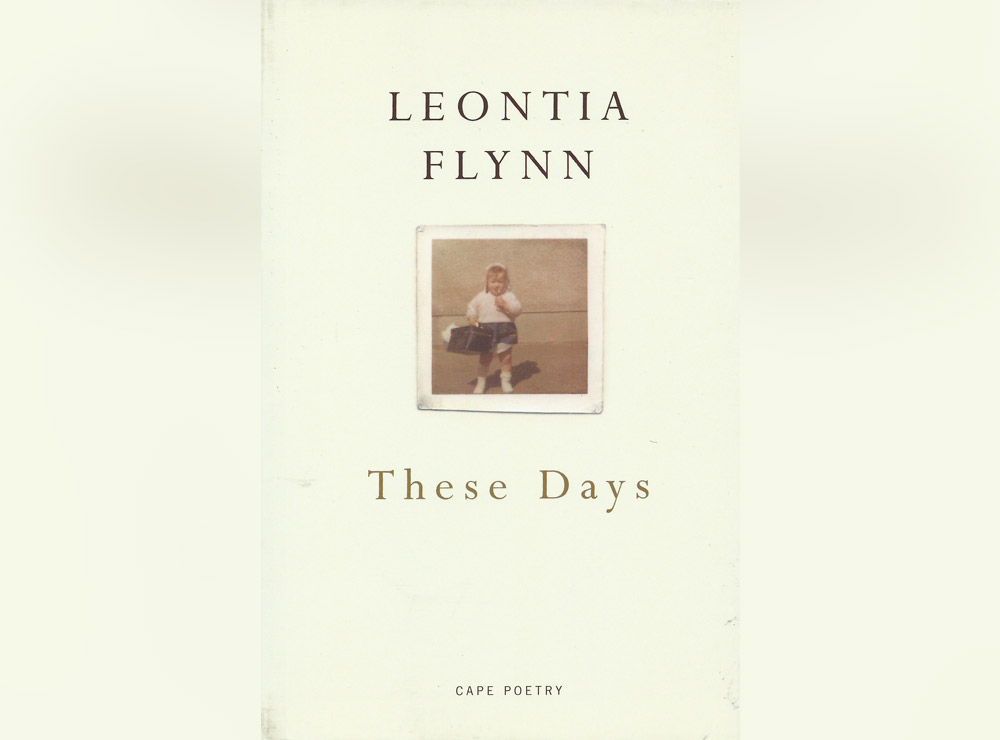
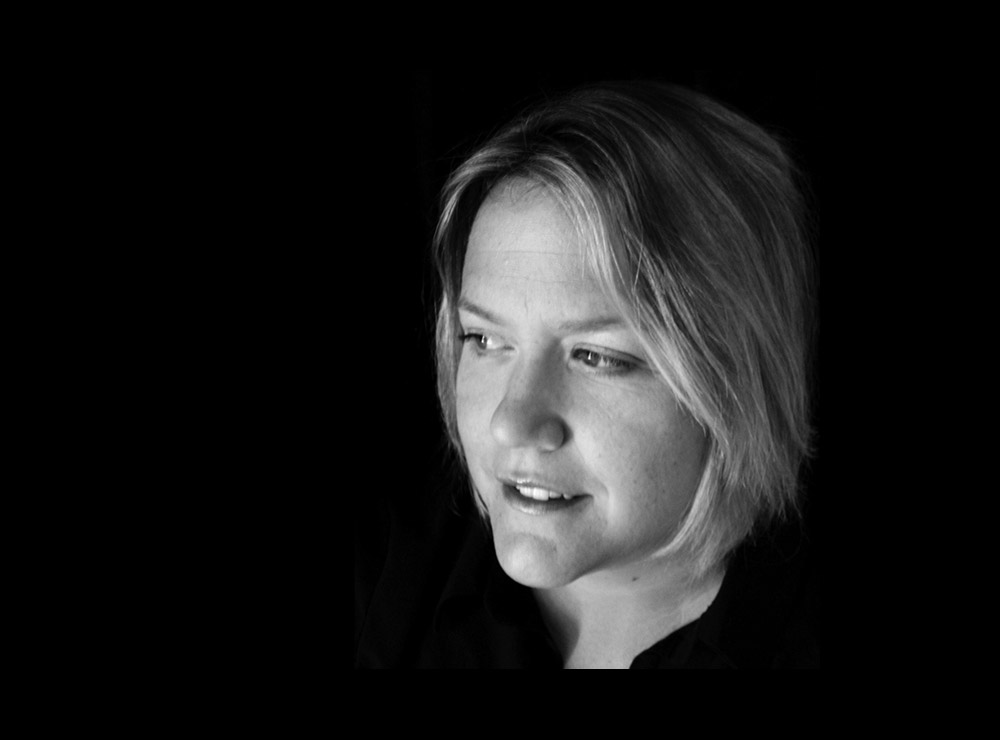
Leontia Flynn

Writing poetry, sometimes writing about poetry, very occasionally just writing

Born in Northern Ireland. Based in Belfast, Northern Ireland, UK

Visit website
Main categories

Poetry

Languages spoken

English

About

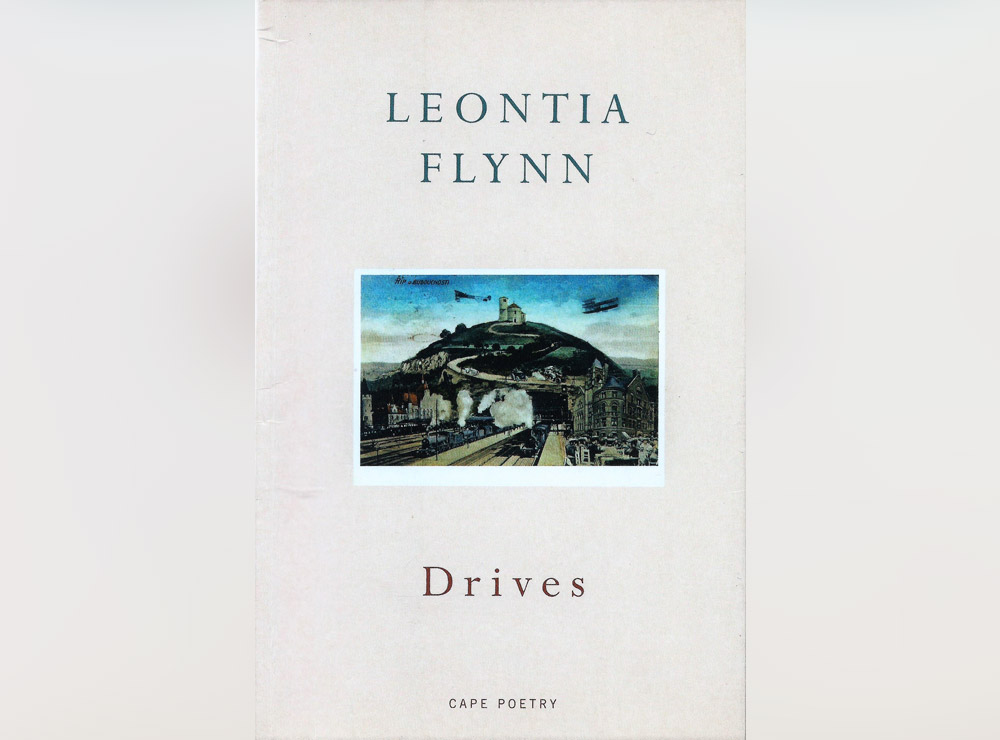
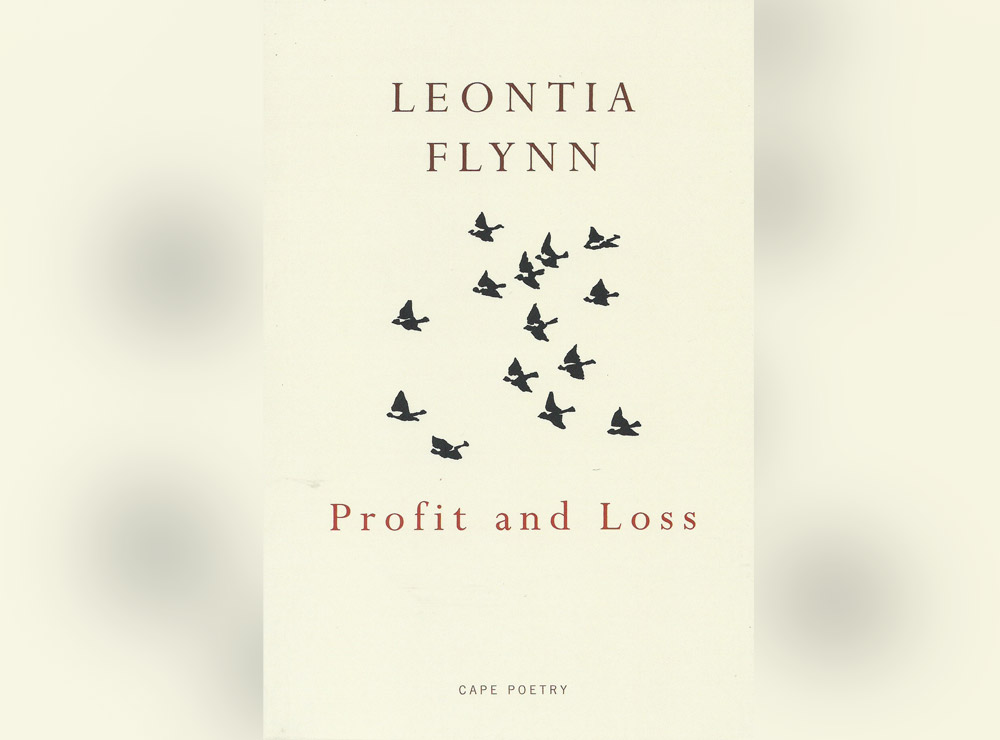
Leontia Flynn has published three poetry collections with Jonathan Cape and has received the Forward Prize for best first collection, The Rooney Prize for Irish Literature, The Lawrence O'Shaughnessy award for Irish poetry and the AWB Vincent American Ireland Fund literary award. She was associated with the underground Belfast magazine The Vacuum from 2004- 2012, published a self-conscious/feminist book about the poetry of Medbh McGuckian in 2014, and is writer in residence at the Bloomsbury Hotel. She was born in 1974, and lives in Belfast where she's a lecturer at the Seamus Heaney Centre for Poetry. 


Visit websiteREQUEST AN INTRODUCTION
Thank you! Your submission has been received!

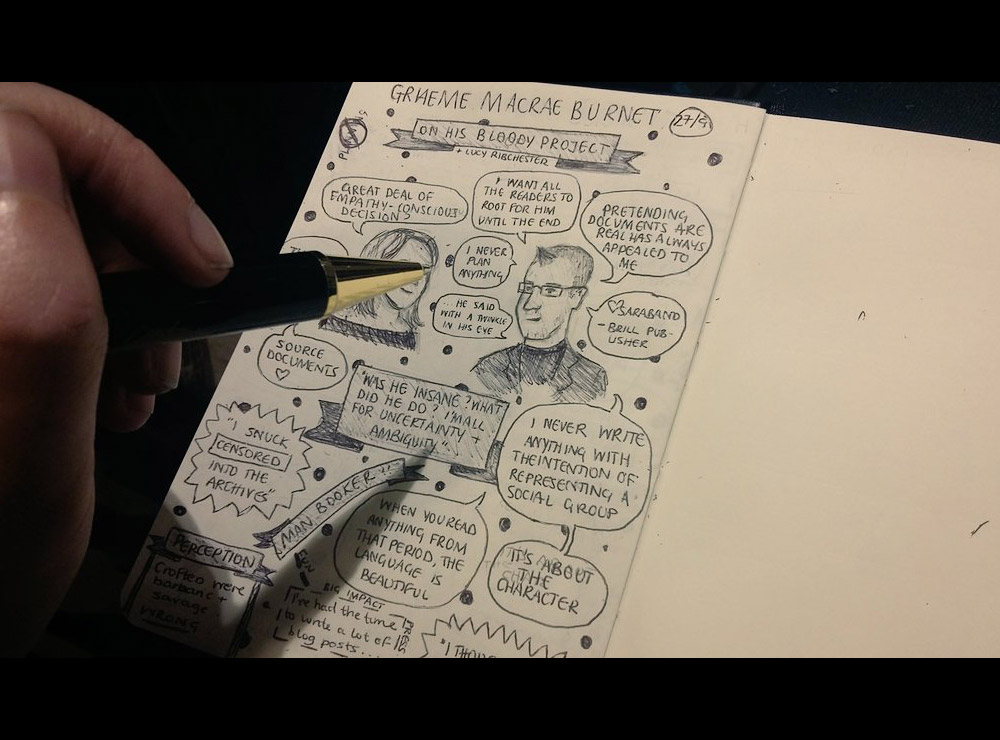
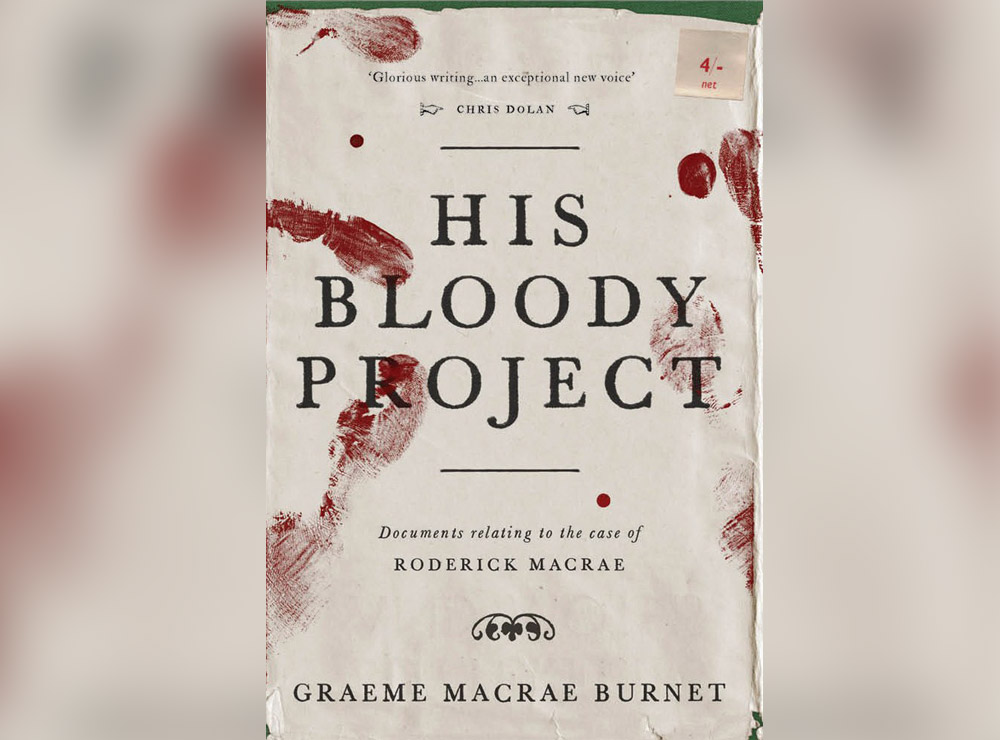
Graeme Macrae Burnet

Author of His Bloody Project. Ageing existentialist. Black pudding aficionado.

Born in Kilmarnock, Scotland. Based in Glasgow, Scotland, UK

Visit website
Main categories

Fiction

Languages spoken

English

About

Graeme was brought up Kilmarnock, Ayrshire and now lives in Glasgow. He has also lived in the Czech Republic, France, Portugal and London.

A former TV researcher, English teacher and bookseller, his French-set debut The Disappearance of Adèle Bedeau was a cult hit and won him a Scottish Book Trust New Writers Award. His second novel, His Bloody Project, was shortlisted for the 2016 Man Booker prize and won the Satire Prize for Fiction. It has been variously described as "astonishing", "fiendishly readable" , "spellbinding" and "masterly", and is set to be translated into more than a dozen languages.


Visit websiteREQUEST AN INTRODUCTION
Thank you! Your submission has been received!

Extract: His Bloody Project

From The Account of Roderick Macrae 

(written in Inverness Gaol, September 1869)

I am writing this at the behest of my advocate, Mr Andrew Sinclair, who since my incarceration here in Inverness has treated me with a degree of civility I in no way deserve. My life has been short and of little consequence, and I have no wish to absolve myself of responsibility for the deeds which I have lately committed. It is thus for no other reason than to repay my advocate’s kindness towards me that I commit these words to paper.

Mr Sinclair has instructed me to set out, with as much clarity as possible, the circumstances surrounding the murder of Lachlan Mackenzie and the others, and this I will do to the best of my ability, apologising in advance for the poverty of my vocabulary and rudeness of style.

I shall begin by saying that I carried out these acts with the sole purpose of delivering my father from the tribulations he has lately suffered. The cause of these tribulations was our neighbour, Lachlan Mackenzie, and it was for the betterment of my family’s lot that I have removed him from this world. I should further state that since my own entry into the world, I have been nothing but a blight to my father and my departure from his household can only be a blessing to him.

My name is Roderick John Macrae. I was born in 1852 and have lived all my days in the village of Culduie in Ross-shire. My father, John Macrae, is a crofter of good standing in the parish, who does not deserve to be tarnished with the ignominy of the actions for which I alone am responsible. My mother, Una, was born in 1832 in the township of Toscaig, some two miles south of Culduie. She died in the birthing of my brother, Iain, in 1868, and it is this event which, in my mind, marks the beginning of our troubles. 

* * * * *

From TRAVELS in the BORDER-LANDS of LUNACY

by J. Bruce Thomson

James Bruce Thomson (1810–1873) was Resident Surgeon at the General Prison for Scotland in Perth. In this capacity he examined around 6,000 prisoners and was an acknowledged authority in the then nascent discipline of Criminal Anthropology. In 1870, he published two influential articles, ‘The Psychology of Criminals: A Study’ and ‘The Hereditary Nature of Crime’, in The Journal of Mental Science. His memoir Travels in the Border-Lands of Lunacy was published posthumously in 1874. 
 

I arrived in Inverness on the 23rd day of August 1869, and spent the night at an inn where I was met by Mr Andrew Sinclair, advocate to a young crofter accused of murdering three of his neighbours. Mr Sinclair had written to me expressing his desire to have my opinion, as the country’s pre-eminent authority on such matters, as to the sanity or otherwise of his client. We are none of us entirely immune to such appeals to our vanity and, as the case had several interesting features, not least the alleged intelligence of the perpetrator, I consented and travelled from Perth as soon as my duties permitted.

From the beginning I found Mr Sinclair not to be a man of the highest calibre, which was hardly unexpected given the limited opportunities for educated discourse in a backwater such as Inverness. He was entirely unversed in current thinking in the field of Criminal Anthropology and I spent much of the evening outlining to him some of my continental colleagues’ recent innovations in this discipline. Naturally, he was anxious to discuss his client, but I bound him to silence, wishing to reach my own conclusions unencumbered by prejudicial thoughts, no matter how ill informed.

The following morning I accompanied Mr Sinclair to Inverness gaol to inspect the prisoner, and I again directed the advocate not to speak of his client before I had the opportunity to examine him. Mr Sinclair preceded me into the cell, in order, he said, to ascertain whether his client was willing to receive me. I found this a most irregular occurrence as I have never before heard of a prisoner being consulted about who may or may not enter his cell, but I attributed it to the advocate’s lack of experience in dealing with cases of this nature. Mr Sinclair remained some minutes inside the cell before informing the gaoler that I might be admitted. From the first instance, I found the relations between advocate and client to be quite unorthodox. They conversed together, not as a professional man and a criminal, but rather in the manner of two acquaintances somehow in cahoots. Nevertheless, the dialogue between them provided me with an opportunity to observe the prisoner before commencing my examination proper.

My initial impression of R— M— was not entirely negative. In his general bearing, he was certainly of low physical stock, but he was not as repellent in his features as the majority of the criminal class, perhaps on account of not breathing the rank air of his urban brethren. His complexion, however, was pallid, and his eyes, while alert, were close-set and capped by thick eyebrows. His beard grew sparsely, although this may have been due to his relative youth, rather than any hereditary deficiency. In his discourse with Mr Sinclair, he appeared quite lucid, but I noted that the advocate’s questions were frequently of a leading nature, requiring the prisoner only to offer confirmation of what had been suggested to him.

I dismissed the advocate and in the presence of the gaoler directed the prisoner to remove his clothes. This he did without protest. He stood before me quite without shame, and I commenced a detailed examination of his person. He stood 5 feet 4½ inches tall, and was of smaller than average build. His chest was disproportionately protruding – what in layman’s terms would be called ‘pigeon-chested’ – and his arms longer than average. The upper- and forearms were well developed, no doubt as a result of his life of physical labour. The hands were large and calloused, with exceptionally long fingers, but there was no evidence of webbing or other abnormalities. His torso was hirsute from the nipples to the pubis, but he was quite hairless on the back and shoulders. His penis was large, though within the normal range of dimensions, and the testicles properly descended. His legs were scrawny, and when asked to walk the length of the cell (admittedly not a great distance) his gait appeared somewhat rolling or lop-sided, suggesting an asymmetry in his bearing. This may have been due to some injury sustained at an earlier time, but when asked, the prisoner was unable to furnish me with any explanation.

I carried out a detailed inspection of the subject’s cranium and physiognomy. The forehead and brow were large and heavy, while the skull was flat on top and markedly obtruding to the back. On the whole, the cranium was quite mis-shapen and not dissimilar to many of those I had examined in my capacity as prison surgeon. The ears were considerably larger than average, with large, flattened lobes.

As to the visage: the eyes, as already noted, were small and deep-set, but alert and darting. The nose was protuberant, though admirably straight; the lips thin and pale. Likewise, the cheekbones were high and prominent as, has recently been pointed out, is often the case among the criminal breed. The teeth were quite healthy and the canines not preternaturally developed.

R— M— thus shared a certain number of traits with the inmates of the General Prison (these being chiefly, the mis-shapen cranium, unappealing facial features, pigeon chest, elongated arms and ears). In other respects, however, he was a healthy and well-developed specimen of the human race and if one were to observe him in his natural environment, one would not instinctively mark him out as a member of the criminal class. From this point of view, he formed an interesting subject and one which I was curious to study further.

I allowed the prisoner to dress and put a few simple questions to him. He was entirely unresponsive. He appeared at times not to have heard my questions, or pretended not to have done so. I suspect he was well aware of what was being asked, but refused to answer, for motives of his own. Such a strategy did, however, suggest that the subject was not an outright imbecile and was capable of some reasoning, flawed or otherwise. Nevertheless, I saw no purpose in prolonging my enquiries in the face of this stubborn attitude, and had the gaoler release me from the cell.

Mr Sinclair was waiting outside and questioned me impatiently as soon as I emerged. His manner was less that of a professional man than of a nervous parent eager for information about his child’s health. As we advanced along the passage I outlined my findings to him.

‘But as to his state of mind?’ he asked.

I was aware that the advocate was anxious for me to pronounce on this question, so that he might offer a plea of insanity to the court, thus saving his client from the gallows, and perhaps not incidentally garnering a good deal of renown for himself. Nevertheless, at this point, I refused to venture an opinion.

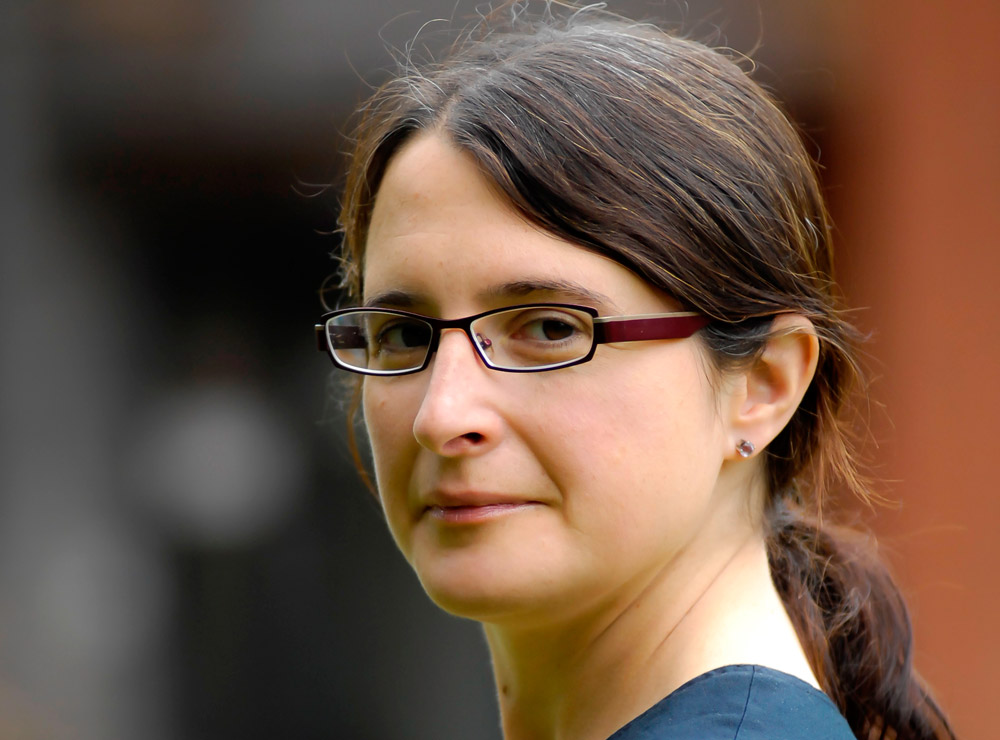
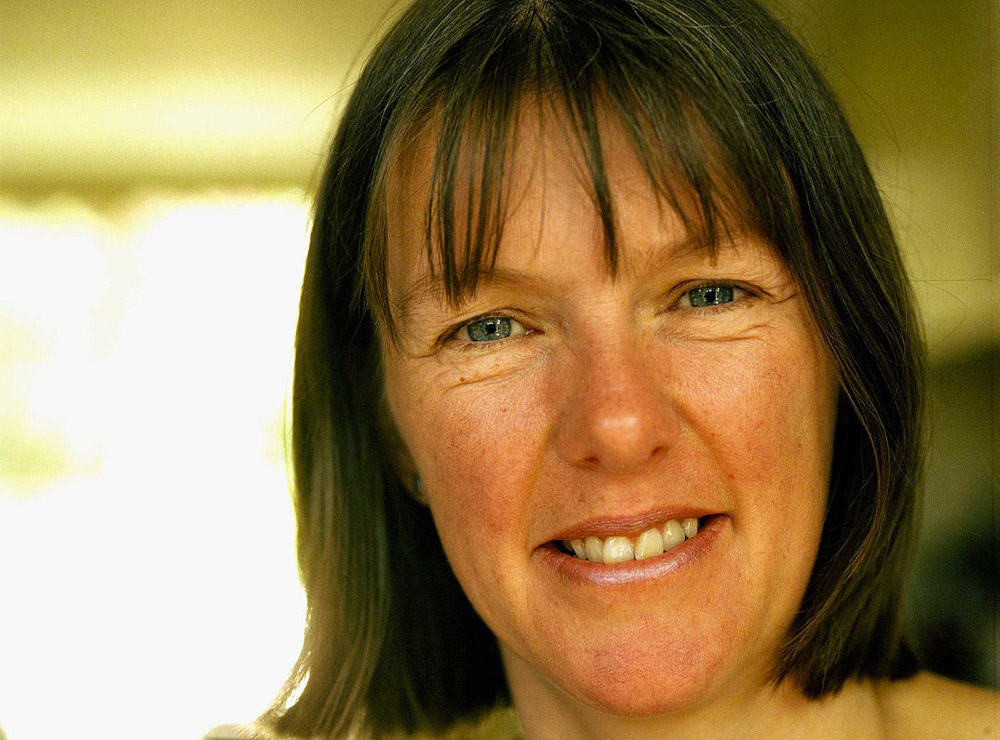
Sarah Moss

Reading, writing, talking, running, cooking: I miss hills and sea

Born in Glasgow, Scotland. Based in Leamington Spa, England, UK

Visit website
Main categories

Fiction

Non-fiction

Languages spoken

English

French

About

I was born in Glasgow, grew up in Manchester, never went south until Oxford at 18. A decade at Oxford, BA, M.St., D.Phil, and then academia, Romantic poetry and the Victorian novel at the universities of Kent, Iceland and Exeter, a novel always on the go when the babies were asleep. Now I'm Professor of Creative Writing at Warwick University and live in the West Midlands, pining a little for Scotland and Cornwall and Iceland. I knit in meetings, run when I don't have time, stay up too late every night reading.


Sarah Moss discusses basalt and dolerite, the fire rocks that underpin castles, in this BBC recording.

Visit websiteREQUEST AN INTRODUCTION
Thank you! Your submission has been received!

Bibliography

The Tidal Zone, 2016, Granta

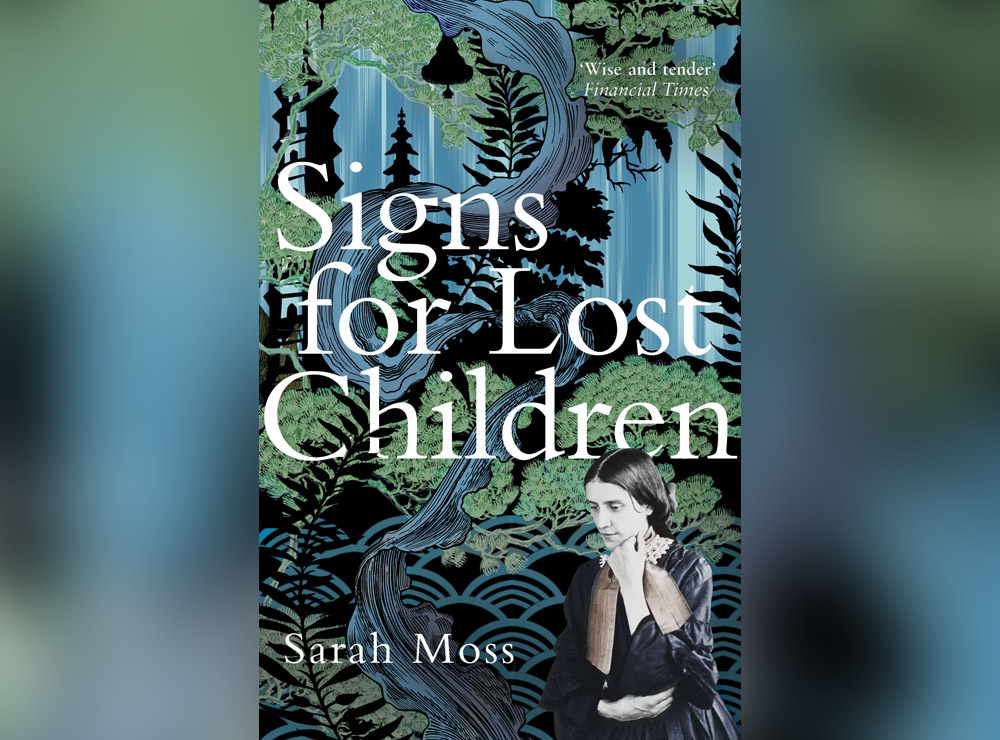
Signs for Lost Children, 2015, Granta

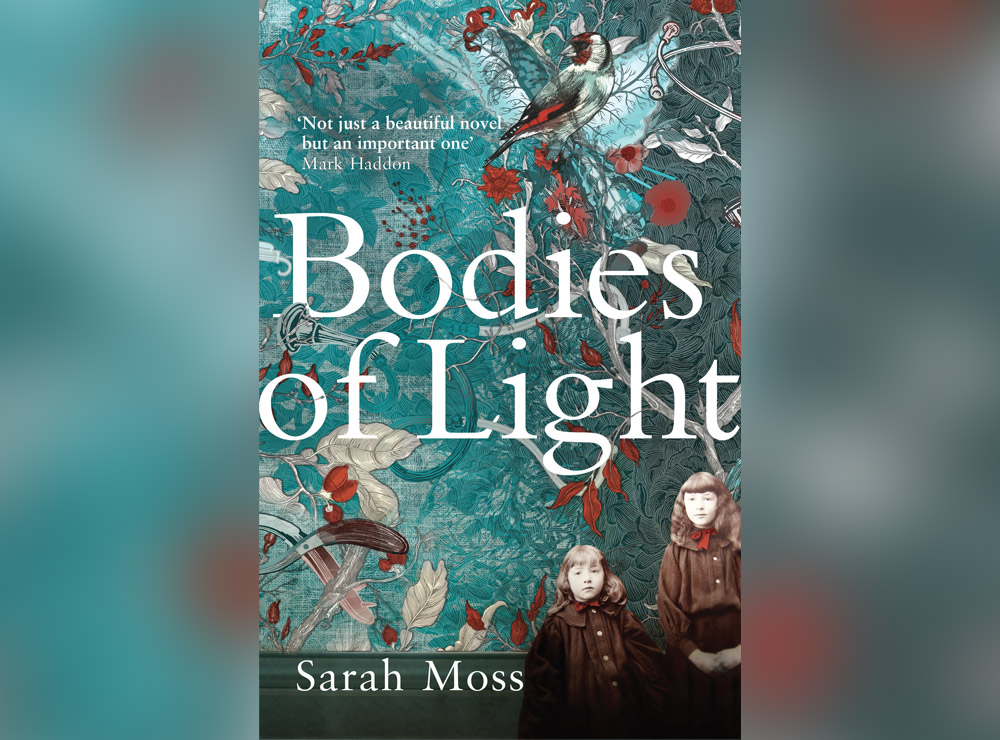
Bodies of Light, 2014, Granta

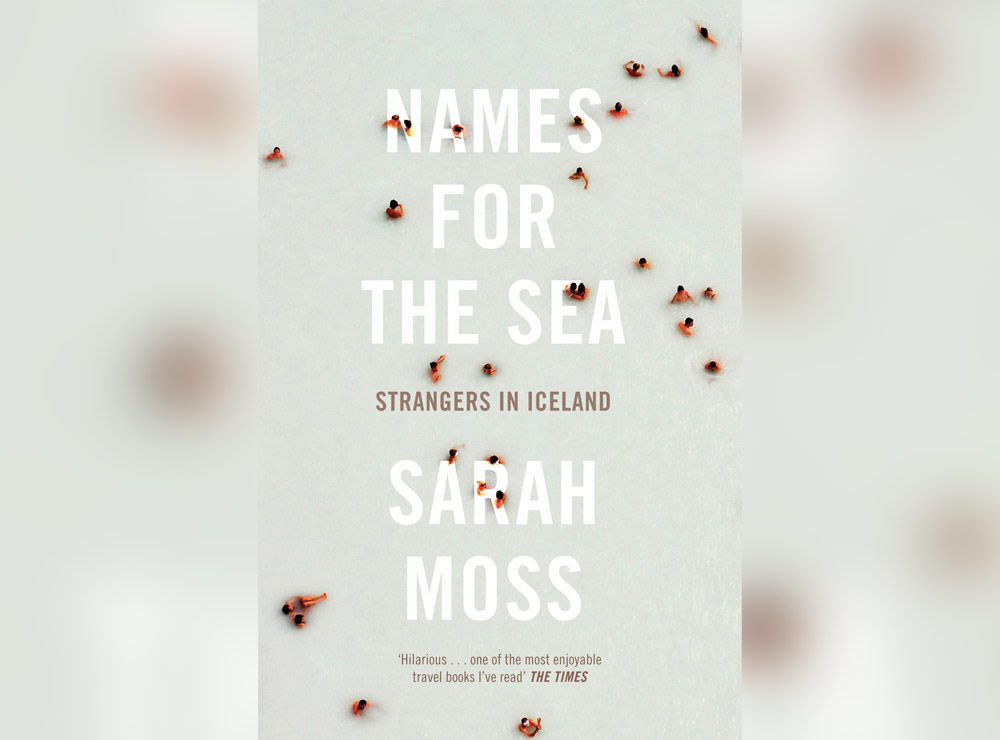
Names for the Sea, 2012, Granta

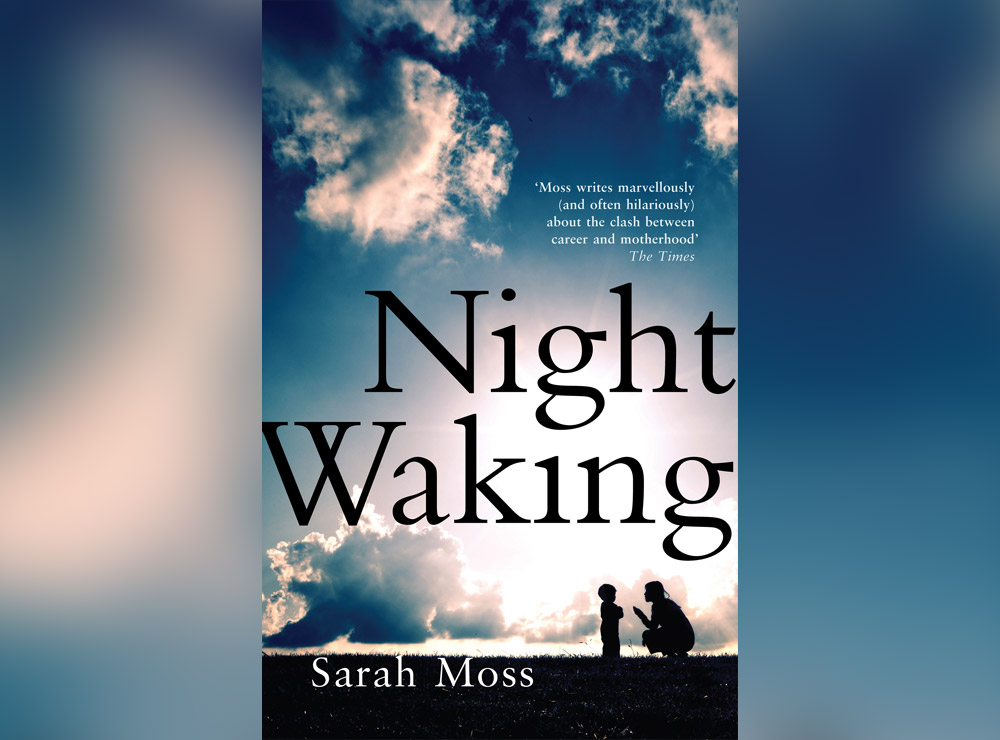
Night Waking, 2011, Granta

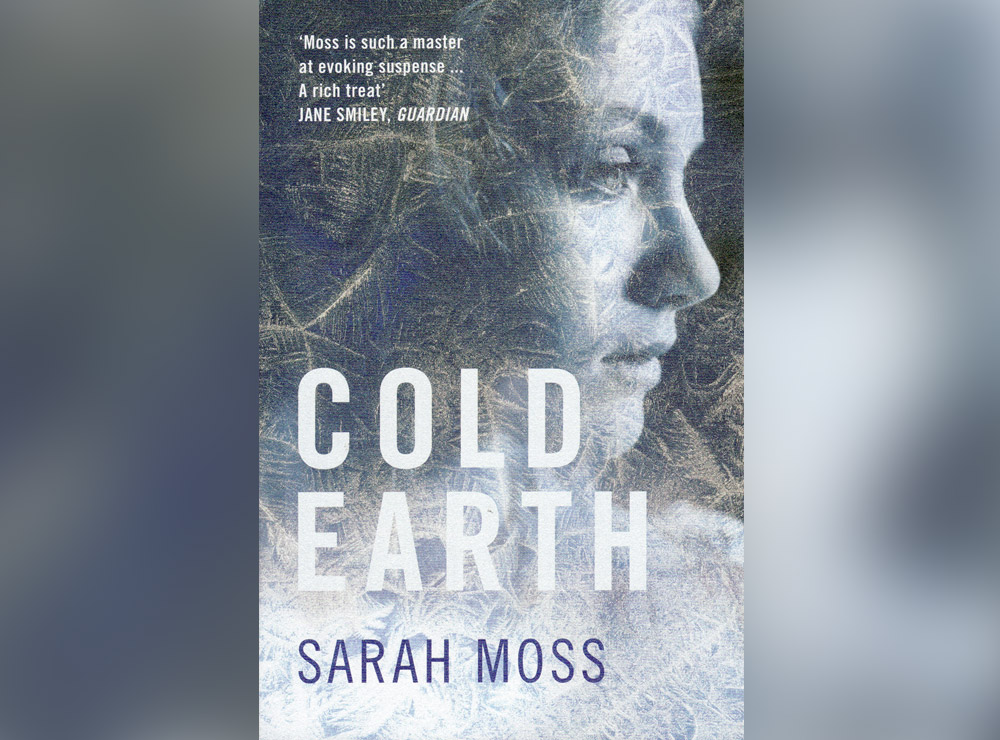
Cold Earth, 2009, Granta

Extract: The Tidal Zone

Once upon a time, a woman and her husband lay together, and the man’s seed navigated the hollows and chambers of his wife’s body until it came home. Cells began to divide and re- form, as they do, and something new was made. As the weeks went by and the woman began to feel odd and sick, the new thing took shape: a comma, a tadpole, eventually the bud of a brain and a spinal column. Suddenly, in the shallow darkness of a summer night, a heart completed itself and began its iambic beat. The heart beat while the new thing grew a head and arms and legs, while it began to flutter and then to turn in the seas of the woman’s womb. For a long time the creature floated free, tumbling and kicking, learning to listen to the rumble of voices, to dance to music coming from the bright world beyond. When the woman swam, letting the water carry her swelling body, the growing being drifted and spun within her. When she walked the small thing was lulled by the percussion of her footsteps and the constant thrum of her heartbeat against its own, the engine of the ship bearing it on. But as winter passed and the sun strengthened on the ground where the woman walked, as the snowdrops and then the daffodils pushed through the earth and began to open apple- white and yolk- yellow, the creature found itself cramped. The walls of the womb seemed to close on its arms and legs, to wrap even its ribs and behind, and soon the being was pushed down, its head held in the woman’s bones and its hands and feet gathered in. The woman no longer swam. She walked less than she had, and she and the little stranger began to be sore and cross. At last, one bright April morning when white clouds drifted high in a blue sky and leaf- buds beaded the tired grey trees, it was time for the woman and the new thing to part, a painful work that took many hours, into the cold night and through the next morning, which the woman and her husband did not see because they were in a room with no windows, awaiting the child’s birth. The heart had been working for months now and it kept going, sometimes fast and sometimes slow, but always beating the same rhythm. Our birth is but a sleep and a forgetting. When the child was born there came the ordinary miracle of breathing, that terrible moment when we are cast off from our mother and from her oxygenated blood, when we have never taken a breath and may not know how to do so, the caesura in the delivery room. She breathed. The music of heart and lungs began, and continued, and no- one listened any more.

The child was a girl, but the most important thing about her was that she was herself. She was someone new, someone who had not been before and so, like all babies, she was a revelation. She throve in her mother’s arms all through that summer, watching the shadows of leaves on the parasol that shaded her new skin from the sun, watching her own hands drift and dance. She learnt to smile, to look her father in the eye and smile. By concentrating hard, she learnt to close her starfish fingers around the things she wanted to explore: stones, buttercups, the silk edge of her blanket. Suddenly, one pale night, she learnt to roll over in her cot, and although it took her a while to learn to roll back, she began to work on lifting her heavy head. And all the time her heart beat, carrying the blood she needed to grow and learn around her changing body. All the impossible intricacies of her biology worked, and only in rare moments did anyone think to wonder at the astonishing processes of lungs and gut, of kidneys and brain.

By the time the next spring flowers came, the child was learning to walk. Her father took her to the park, where she held onto a bench surrounded by purple crocuses and then confided herself to the earth and the air, launched herself across the grass in four staggering steps to his waiting arms. She was finding her words by then: Dadda, bird, more, no. She learnt to hold a crayon and make her mark, to bat away anyone trying to feed her because she wanted to do it herself. She did not need to learn to dance, because she could already do that.

We know now that the first time the music stumbled, the child was five. She had started school that autumn and by spring was reading fluently, beginning to take over her own bedtime stories, although still uncertain about numbers and frankly not interested in learning to write. She was playing tag with her friends in the square of concrete that passed for a playground, running and shouting under a watery sky, her skin warm and her cheeks pink while the supervisors pushed their hands deeper into their coat pockets. Her feet slowed. Her muscles tired. Not enough oxygen, not enough sugar. Not enough light. Fear. Her lungs sucked hard and could not make a vacuum, could not pull in the air her blood needed. And yet by the time her mother arrived, by the time they had the child lying down in the room behind the receptionist’s desk, she was fine, was pink and cheerful and distinctly annoyed. They’d given her the inhaler they kept for forgetful asthmatics, they said, they were sorry, they hoped it had been the right thing, only it had looked just like an asthma attack and look, it had worked. The child’s mother knelt at her side, having been called from work took out her stethoscope and listened to her daughter’s chest, to the free flow of air, to the percussion of her heart. There was nothing wrong. Asthma, she said, is over- diagnosed in children. Perhaps some virus, some passing disturbance, one of those things. And perhaps she was right. Perhaps it was not a warning that nobody saw.

After that, the child wheezed, sometimes, with a cold. It was nothing much, not often. Not, her mother said, asthma, not really, although yes, worth keeping an inhaler around, no harm to use it when the girl was uncomfortable at night.

The second call was louder. You knew that, of course; there are three warnings, three chances to stop the bad thing happening, although if we succeeded in doing so there would not be three, there would not be a story at all, only another in our unthinkable collection of things that didn’t happen. The child had been swimming in the sea off the island of Kalymnos. The water was cold. At first she had been reluctant, chilly, afraid of the waves, not wanting the salt water over her fair head and in her ears and her nose, but gradually, hand- in- hand with her father, she had edged herself deeper into the Mediterranean, squeaking as the water gripped her knees and thighs and stomach but then learning to jump and mock the breakers on the sand and to let the smoother waves lift her body and set her back on her feet. There we go, up and down, swooping and landing. Her hand was blue with cold and slippery with sunscreen and sea but her father held on until the four of them were bobbing adrift, awash, afloat where the sirens sang, until the child’s mother lost her nerve, wanted the air in her children’s hands again and the ground beneath their feet, and she was right because the child was still knee deep in the wine- dark sea when her breathing began to sound in her chest, to make a strange call. Mummy, she said, Mummy, and her mother took her hand and hurried her up the beach to where the inhaler, unused for months, lay at the bottom of a handbag. Here, she said, sit down, lean forward, you remember how to do this, and in half an hour they were all going for ice- cream. It is a strange moment for any body, for any arrangement of blood and skin and bone, leaving the water, cold water for hot air. Anyone’s heart might miss a beat, might not know if it is on land or sea. Anyone’s lungs might be surprised. Perhaps she did have asthma, after all. Lots of people do.

The third time, the girl was growing up, living between longing for and dismay at her own adulthood. She was as tall as her mother and heavier, more rounded, a less provisional presence in a room. She was clever and brave and stubborn and she didn’t dance any more but she read and she wrote. She had joined Amnesty International and Greenpeace and the Green Party. She said patriarchy and hegemony and neoliberalism, several times a day. She put streaks of blue in her hair and enjoyed baiting her teachers by wearing mascara: but Miss, you’re wearing makeup. But Sir, aren’t you just inducting us into a world more interested in policing women’s sexuality than giving us knowledge?

They found her on the sports field. The PE teacher found her on the sports field, had looked out and noticed a huddle of clothes under a tree when everyone was supposed to be in lessons, and wondered what was going on. She was unconscious but making, he said, odd noises, her breathing like someone trying to saw through cardboard with a blunt knife, and before he’d had time to call the emergency services the noises stopped. The breathing stopped.

He did the right things in the right order. Pulled out his phone, pressed the 9 three times, pressed ‘speaker’ and laid the phone beside the girl among the dandelions while he rolled her onto her back, checked her mouth for obstructions, tipped her head back, the seconds dripping now like honey, held her nose and blew into her mouth, watched to see the chest rise and it didn’t, not much, but since he knew how to do this and not how to do anything else he kept going. As he’d been taught, he sang in his head for the rhythm as he braced his arms and found the opening of her ribcage, felt her bra under the heel of his hand as he forced her bones down into the earth. Nellie the elephant packed her trunk and said goodbye to the circus. There was not much space between the girl’s breastbone and the cold grass: easy, at first, to press a third of its depth. Ambulance, he said. School. Unconscious, not breathing. Doing CPR. Off she went with a trumpetytrump. More breaths.

Inside the girl’s body, the teacher knew, inside her brain, cells were dying. Oxygen levels are reduced in exhaled air. Pressing on the chest, even hard, even this hard, does not move much blood. Her face and lips were turning blue. Keep on singing, keep on pushing down. Nellie the elephant. His arms tired. Harder. He heard sirens now on the road, blue lights coming across the field, a car bouncing over the grass. Said goodbye to the circus, off she went. Car door left open, engine still going, a woman in a green boiler suit. Blue plastic gloves on her hands. Running figures, an ambulance. We’ll take over now, well done, and he stood to make room, stumbled. They knelt at the girl’s side, four of them: Matthew, Mark, Luke and John, bless the bed that I lie on. A helicopter now hammering the sky, bending the trees.

*

Suddenly, your heart began; suddenly in the darkness of your mother’s womb there was a crackle and a flash and out of nothing, the current began to run. Suddenly you began to breathe. Suddenly, you will stop, you and me and all of us. Your lungs will rest at last and the electric pulse in your pulse will vanish into the darkness from which it came.

Put your fingers in your ears, lay your head on the pillow, listen to the footsteps of your blood.

You are alive.

Kathleen Jamie

Scottish poet and non-fiction writer with interests in language, culture and nature

Born in Renfrewshire, Scotland. Based in Scotland, UK

Visit website
Main categories

Non-fiction

Poetry

Languages spoken

English

About

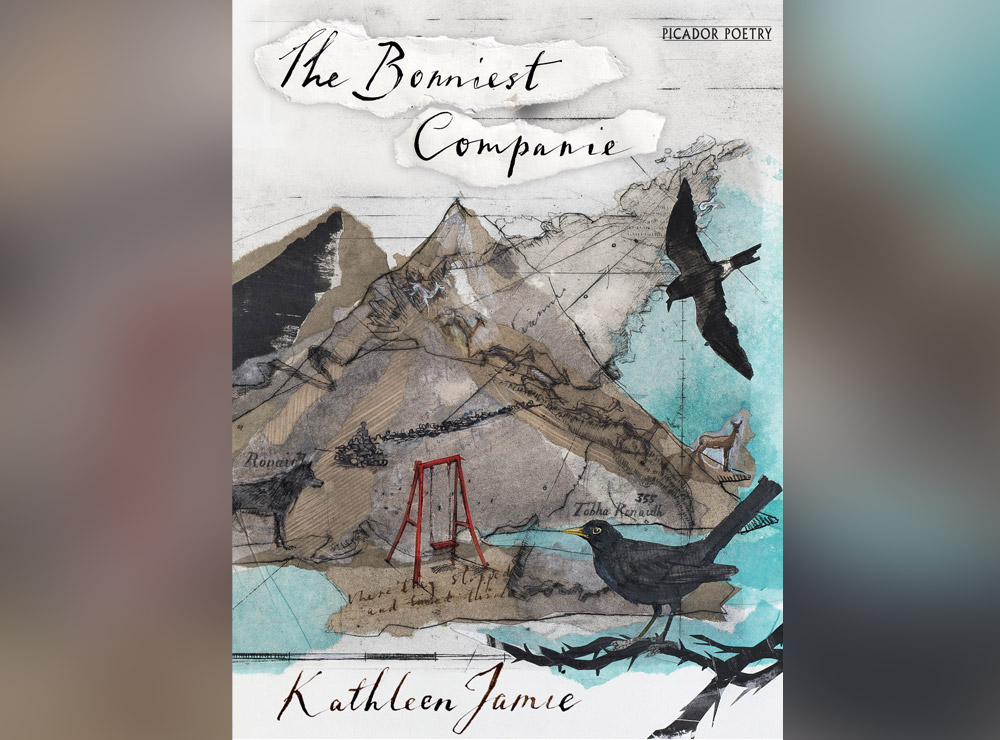
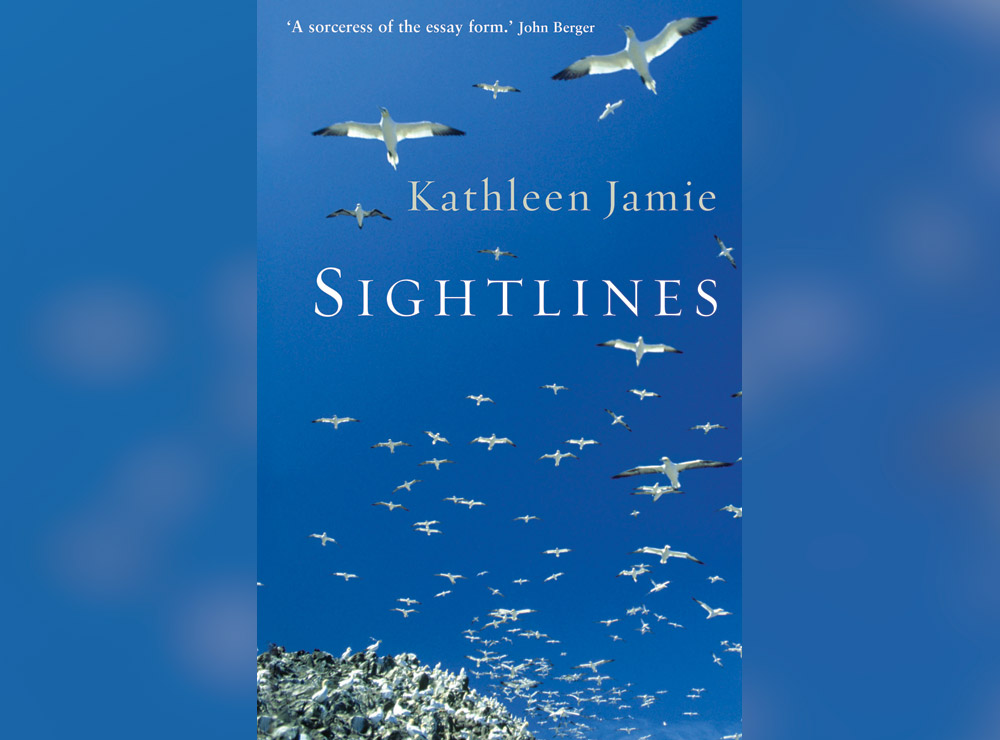
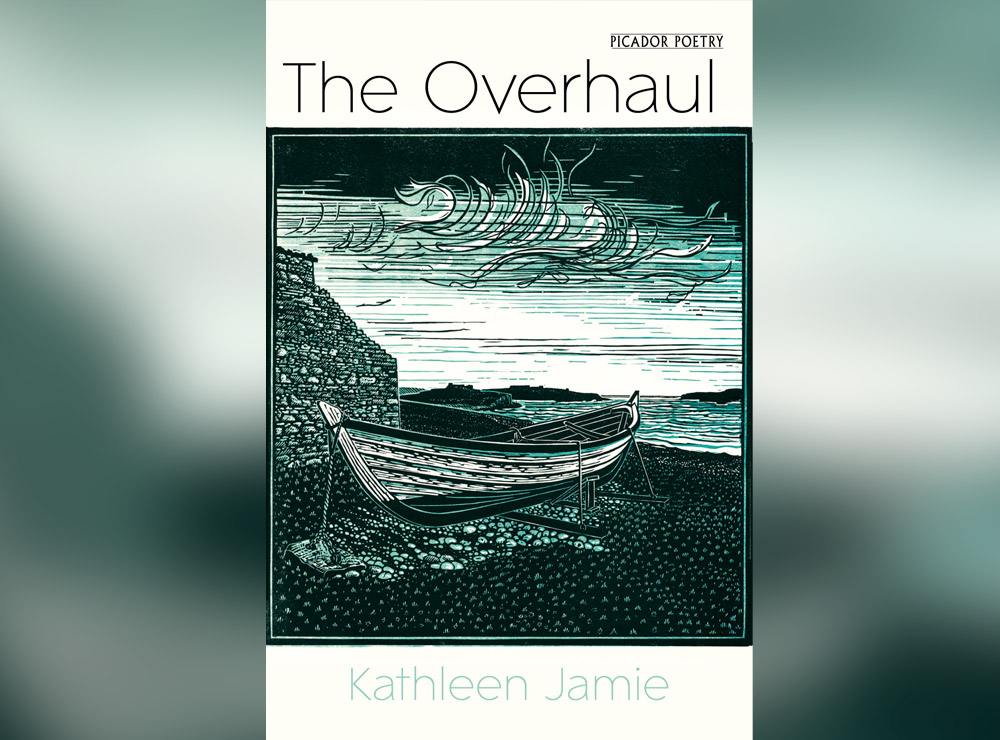
Kathleen Jamie was born in the west of Scotland in 1962. Her poetry collections to date include The Overhaul, (2012) which won the 2012 Costa Poetry Prize, and The Tree House which won the Forward prize. Kathleen Jamie also writes non-fiction including the highly regarded Findings and Sightlines, regarded as important contributions to the 'new nature writing'. Her most recent poetry collection, The Bonniest Companie, appeared in 2015, and won the Saltire Scottish Book of the Year Award.

Kathleen is Chair of Poetry at Stirling University (part-time). She lives in Fife.


Find out more on Kathleen's profile on the Scottish Poetry Library website.


Listen to Kathleen reading her poem, 'The Hinds'.


Visit websiteREQUEST AN INTRODUCTION
Thank you! Your submission has been received!

Caleb Femi

Poet. English Teacher. Photographer. Filmaker.

Born in Nigeria. Based in London, England, UK

Visit website
Main categories

Poetry

Languages spoken

English

About

Caleb Femi is the Young People's Laureate for London.

He is also an English teacher, filmmaker and photographer.

As a poet, Caleb's commissions include the Tate Modern, The Royal Society for Literature, Lit Festival and the Guardian. Caleb has graced major stages such as the Roundhouse mainstage, Barbican, British Library, Royal Festival Hall. He has also opened up for Lianne La Havas and has performed at many festivals including Latitude, Ed Fringe, Boomtown, Lovebox and Greenbelt to name a few. Caleb has also won the Roundhouse Poetry Slam and Genesis Poetry Slam and is currently working on a debut pamphlet.

Visit websiteREQUEST AN INTRODUCTION
Thank you! Your submission has been received!

Kit de Waal

I'm a writer, reader, giggler and baker of mixed heritage

Born in Meridien, Warwickshire. Based in Leamington Spa, England, UK

Visit website
Main categories

Fiction

Languages spoken

English

About

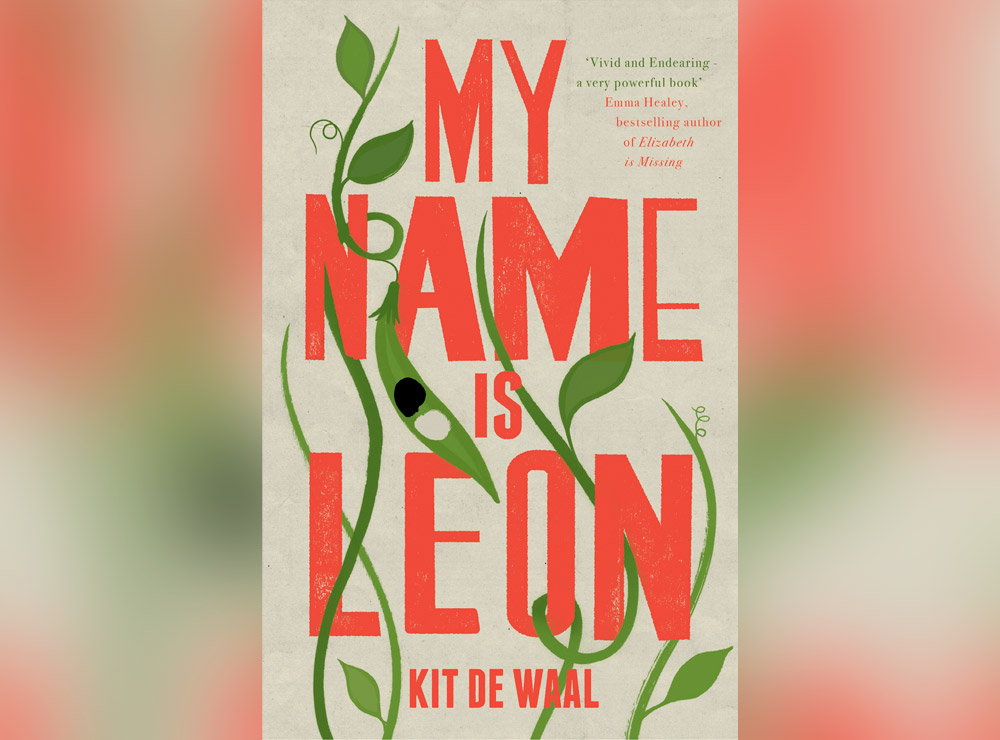
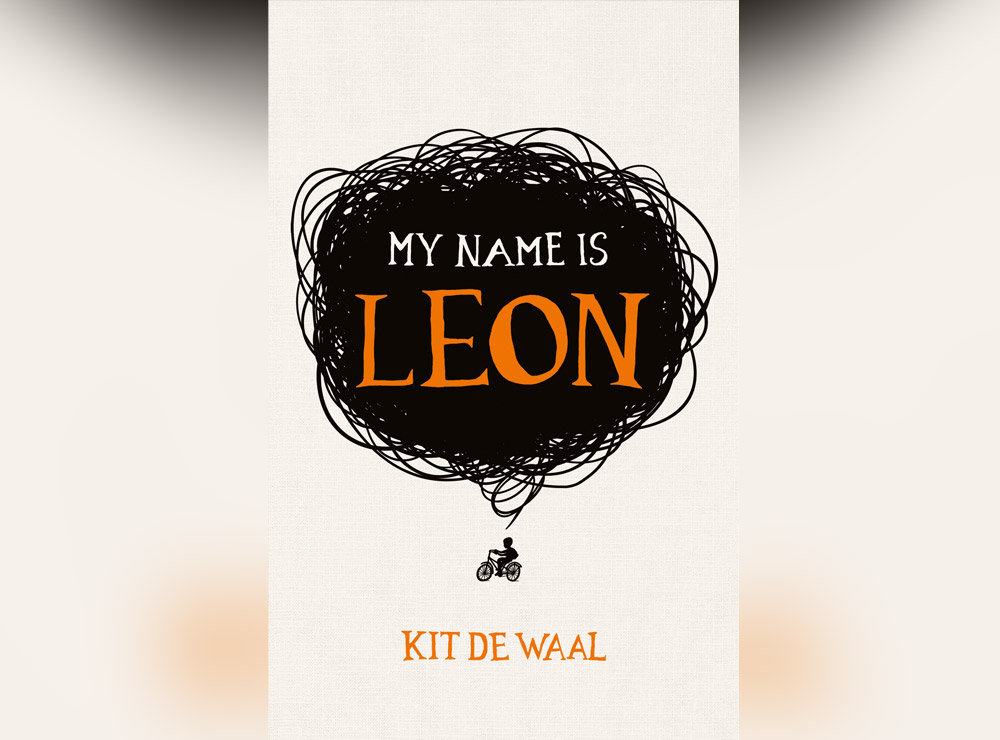
Kit de Waal writes about forgotten and overlooked places where the best stories are found. Her debut novel, My Name is Leon, a heart-breaking story of love and identity, is a Times and international bestseller and was shortlisted for the Costa First Novel Award. Her prize-winning flash fiction and short stories appear in various anthologies. In 2016, she founded the Kit de Waal Scholarship at Birkbeck University.


Here, Kit reflects on the architecture of the prison where she worked.

Visit websiteREQUEST AN INTRODUCTION
Thank you! Your submission has been received!

Nick Harkaway

Novelist, European, wild-eyed black sky dreamer, husband, dad, oenophile, biathlon fan

Born in Truro, England. Based in London, England, UK

Visit website

About

Born in Cornwall in '72, educated London and Cambridge, degree in philosophy and social and political science, worked in film but ultimately couldn't stand the way the industry works, wrote my first novel in 2006/7 (The Gone-Away World). Married, two kids, delerious and usually sleep-deprived (me, not them, although: kids). Winner: Oxfam Emerging Writers Prize at the Hay Festival, the Red Tentacle at the Kitchies. Occasional futurologist and gleefully erroneous prognosticator. Books: The Gone-Away World, Angelmaker, Tigerman. Non-fic: The Blind Giant. New novel, working title "Gnomon", coming next year from Knopf and William Heinemann. 

According to one critic, I'm a British Humanist Speculative Godgame Mimetic Novelist. Most others just balk at putting me in a box.


Visit websiteREQUEST AN INTRODUCTION
Thank you! Your submission has been received!

Bibliography

Tigerman, 2014, William Heinemann

Angelmaker, 2012, William Heinemann

The Blind Giant, 2012, John Murray

The Gone-Away World, 2008, William Heinemann

Una

Not funny

Based in Yorkshire, England, UK

Visit website
Main categories

Graphic Novels

Languages spoken

English

Spanish

About

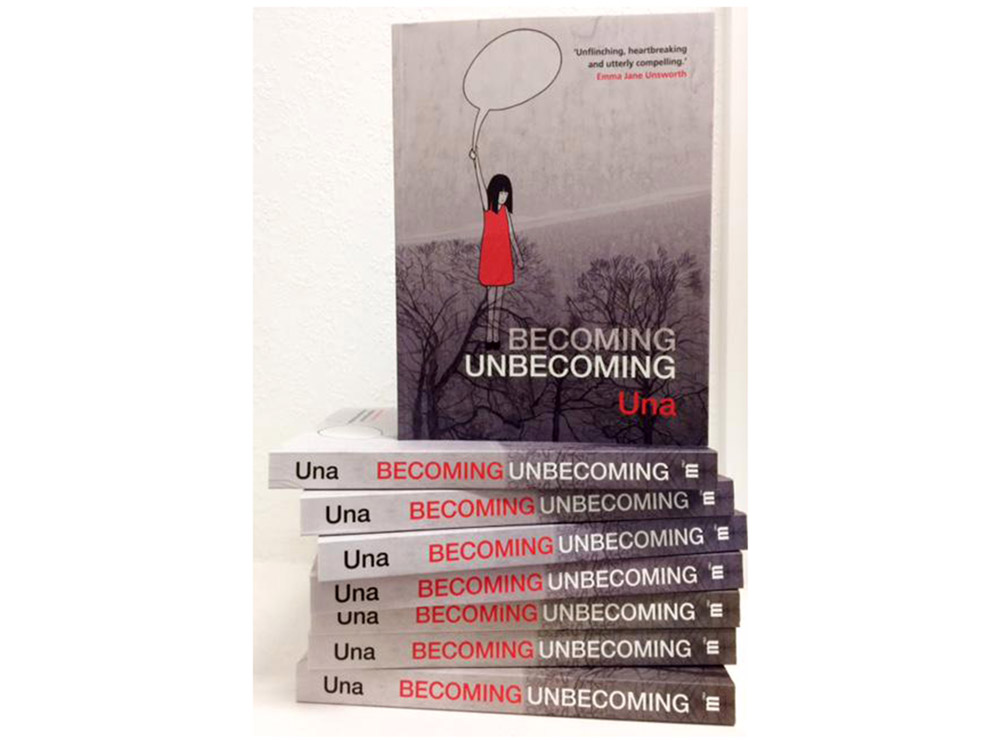
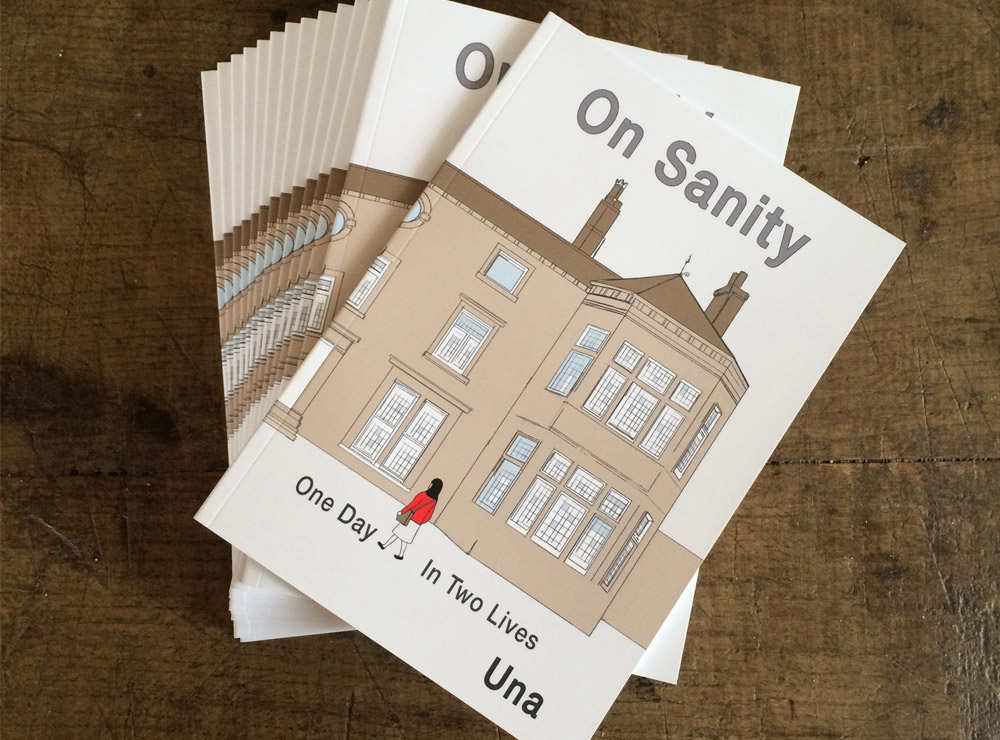
Una is an artist, writer and academic based in Yorkshire. Her first graphic novel Becoming/Unbecoming was published by Myriad Editions in 2015. It has been translated into three languages: Astiberri (Spain), Soul Food Comics (Netherlands) Nemo (Brazil). There is a US/Canada edition with Arsenal Pulp (Canada) to be published in November 2016. On Sanity: One Day In Two Lives, a 40 page comic, was self-published in 2016 with support from Arts Council England. Una has been included in exhibitions and literary festivals nationally and internationally. She is currently working on a new novel-length work. Una is a pseudonym. 

Visit websiteREQUEST AN INTRODUCTION
Thank you! Your submission has been received!

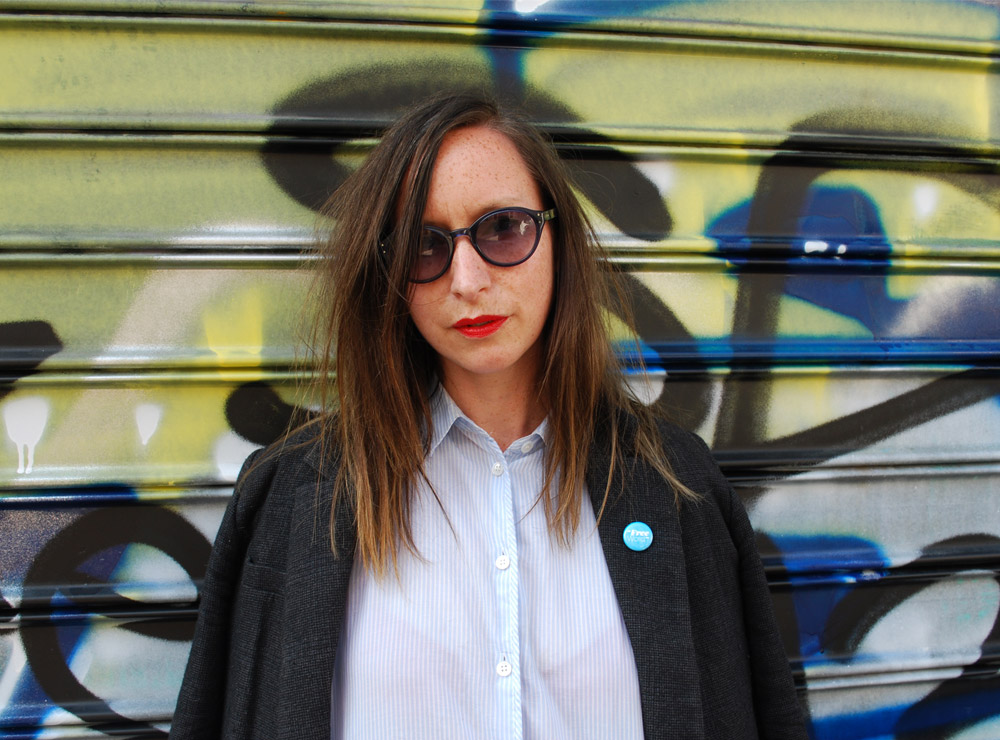
Joanna Walsh

Fictionist, autofictionist, essayist, journalist, experimentalist

Based in Oxford, England, UK

Visit website
Main categories

Fiction

Non-fiction

Languages spoken

English

French

About

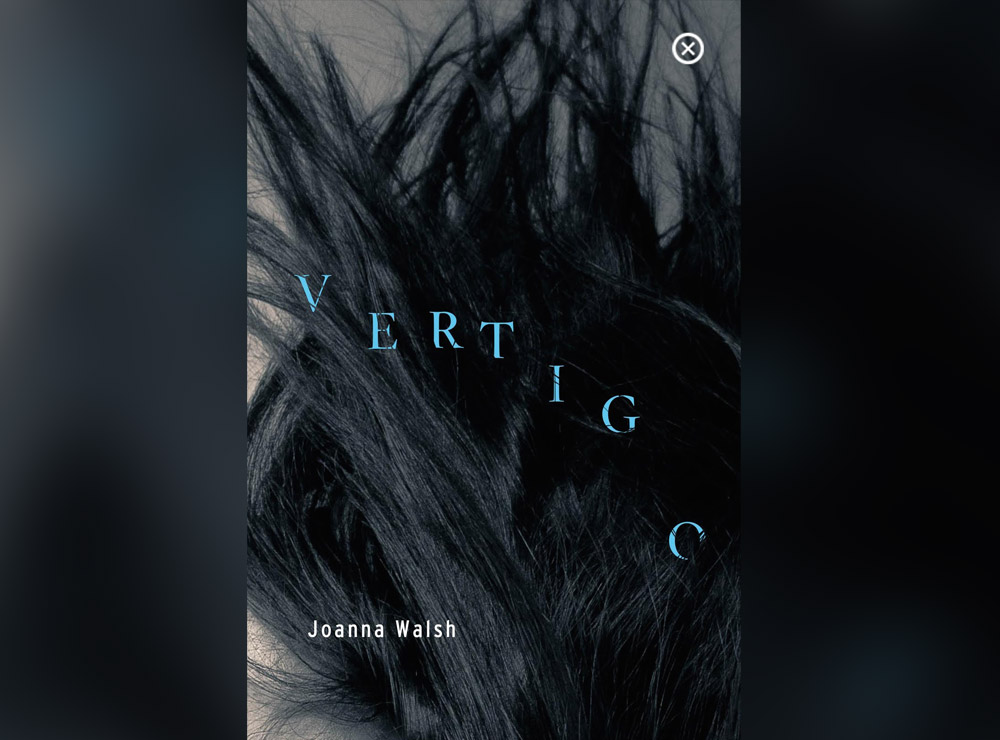
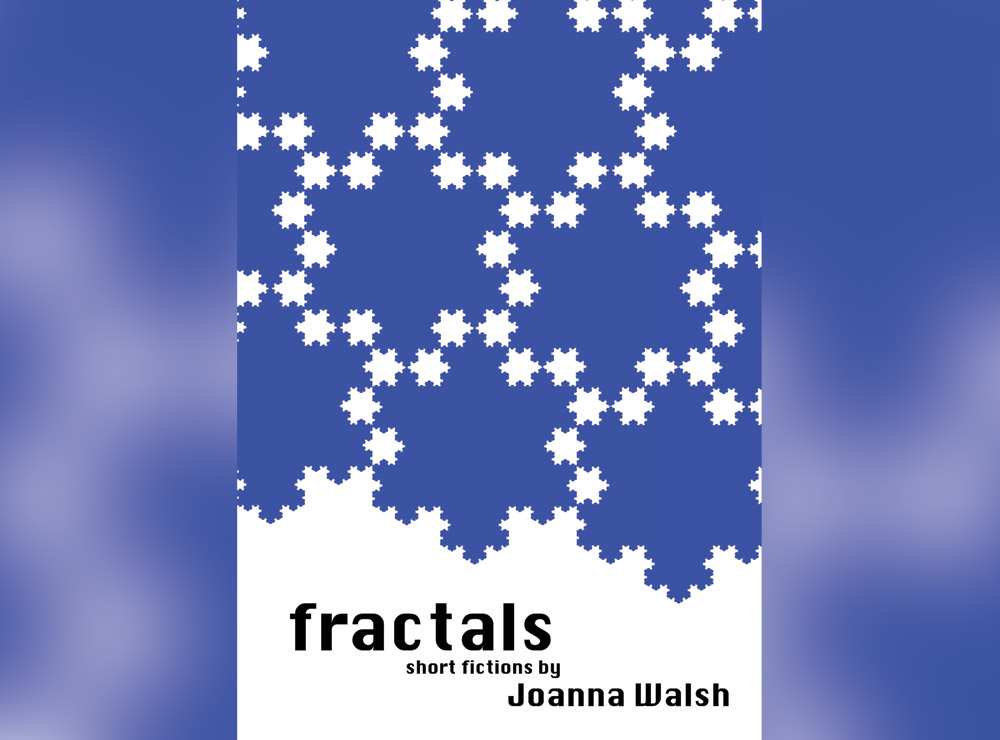
Author of Hotel (memoir/essay) and three short story collections: Vertigo, Fractals and Grow a Pair. Forthcoming digital fiction - 'Seed' out April 2017 - and new short stories, Worlds From the Word's End, out at the end of 2017. Widely published in Granta Magazine, Dalkey Best European Fiction 2015, Best British Short Stories 2014 and 2015 and many more. Reviews at The New Statesman, The Guardian and others. Founded/runs @read_women; judged the 2016 Goldsmiths Prize, was 2016/17 writer-in-residence at Maynooth University, Ireland, and is a current CHASE-funded PhD canditate researching digital narrative at the University of East Anglia. 


Visit websiteREQUEST AN INTRODUCTION
Thank you! Your submission has been received!

Bibliography

Worlds from the Word's End, November 2017

'Seed', April 2017, Visual Editions (digital novel)

Vertigo, 2015/16, And Other Stories/Tramp Press (The Dorothy Project)

Hotel, 2015, Bloomsbury Object Lessons

Grow a Pair, 2015, Readux

Shklovsky's Zoo, 2015, A Piece of Paper Press

Fractals, 2013, 3:AM Press

Ross Sutherland

Exploring new forms across poetry, theatre, film and radio

Born in Edinburgh, Scotland. Based in Peterborough, England, UK

Visit website

About

I have four collections of poetry, published in the UK. My love of poetry informs all my work as a playwright and filmmaker.

My latest play, Party Trap, is a single hour-long palindrome, telling the story of a journalist who finds his own words turned against him.

My documentary, Stand-By For Tape Back-Up, was adapted from my previous stage show. The film won the Grand Jury prize for Experimental Film at BAFICI, Argentina.

I produce the experimental storytelling podcast, Imaginary Advice (Best Fiction Podcasts; The Telegraph). My radio work appears regularly on BBC Radio 4. 


"Stand by For Tape Back UP" Ross Sutherland at EVP from Mercy on Vimeo.


'No More Questions' - poem created for the BBC, by cutting up a recording of journalist John Humphreys


'Imagine' - translation project, inspired by the John Lennon song


Pythagoras in 60 Seconds from Ross Sutherland on Vimeo.

Visit websiteREQUEST AN INTRODUCTION
Thank you! Your submission has been received!

Bibliography

Party Trap, 2016, Imaginary Advice

Emergency Window, 2012, Penned in the Margins

Hyakuretsu Kyaku, 2011, Penned in the Margins

Twelve Nudes, 2010, Penned in the Margins

Things To Do Before You Leave Town, 2009, Penned in the Margins

Tiffany Murray

Borderland writer. Welsh and Scottish. Travel to write. Rocknroll.

Born in Rustington, England. Based in the Welsh borders, UK

About

Tiffany Murray's novels, Diamond Star Halo and Happy Accidents, were shortlisted for the Bollinger Everyman Wodehouse Prize. The Guardian selected Diamond Star Halo in their novels of the year. David Mitchell listed her latest novel, Sugar Hall, in his 'Favourite Ghost Stories' (The Week), and her fourth novel, The Girl Who Talked to Birds, is set in Iceland. She is also working on a memoir, The Rock 'n' Roll Cook, about growing up with Queen and Black Sabbath sleeping in your house. Tiffany has been a Hay Festival Fiction fellow, a Fulbright scholar and a Senior Lecturer. 


A series of podcasts featuring Tiffany Murray on the Hay Festival website including:

REQUEST AN INTRODUCTION
Thank you! Your submission has been received!

Bibliography

Sugar Hall, 2014, Seren

Diamond Star Halo, 2010, Portobello Books/Granta (Philip Gwyn Jones)

Happy Accidents, 2004, 4th Estate

Selected Non-Fiction/Journalism/As Editor

'Mr Bennett Regrets', New Welsh Review, Winter 2014

'Ghosts in Our Fiction', Western Mail, 2014

'Leftovers', in Out of the Woods, 2012, RCA Publications

Bronte Stories, 2013, Haworth Parsonage (with Calderdale Young Writing Squad)

Out of the Woods, 2012, Royal College of Art Publications

'Big Yellow Taxi', in Oxtravels, 2011, Profile Books

'Mum and Fritz', Granta, August 2010

'The Recording Studio', Sunday Times, November 2010

'Gatecrashing a Bob Dylan Concert', Telegraph, May 2010

'The Time Freddie Mercury Came to Stay', Guardian, January 2010

'Top Ten Rock 'n' Roll Novels', Guardian, January 2010

'Jean Rhys', New Welsh Review, 2009

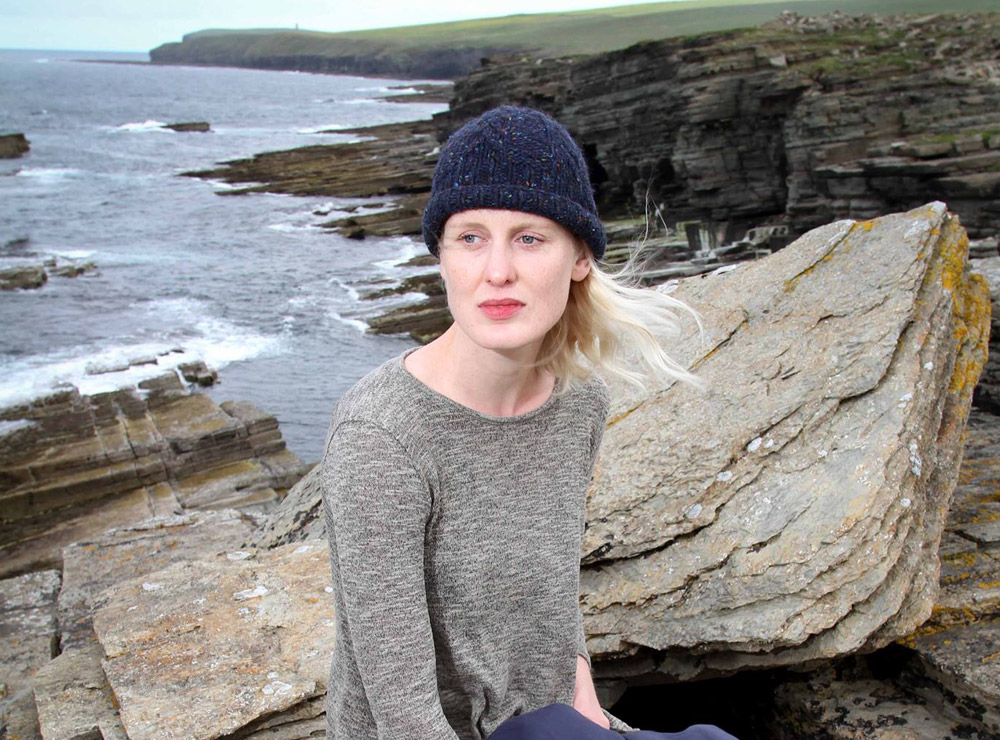
Amy Liptrot

Writer from a Scottish island. I'm all ears

Born in Orkney, Scotland. Based in the UK

Visit website
Main categories

Non-fiction

Languages spoken

English

About

Amy is a freelance journalist, lifelong diarist and outdoor swimmer.

Her memoir, The Outrun (2016, Canongate), was a Sunday Times bestseller, Radio 4 Book of the Week and won the Wainwright Prize for nature and travel writing. It's being translated into ten languages.

She grew up on a sheep farm in Orkney and moves around a lot. At the moment, she's living in Yorkshire and working on her next book. 


Visit websiteREQUEST AN INTRODUCTION
Thank you! Your submission has been received!

Extract: The Outrun

'Strandings'

A few years ago, I drunkenly got into an argument with someone I shouldn’t have. She retorted by calling me “washed up”. It stung because at that point it was fairly true. I was out of work, living in a tiny room in east London, not getting invited out, heartbroken and drinking alone. My once promising future, for which I’d moved to London, was turning into bitterness and frustration. My options were ever decreasing and I didn’t know where to turn, desperately seeking comfort in sexual encounters and obsessive memories. My life had become unmanageable.

When I first came back to Orkney I felt like the strandings of jellyfish, laid out on the rocks for all to see. I was washed up: no longer buoyant, battered and storm-tossed. I think of the things I have lost: my compass, stolen laptop, two shoes – one in the canal, one out of the door of a moving car – my boyfriend. But I also think of the things I have found from the sea: the fishing boat, the seal, the “ambergris”. These things were worn out and washed up but they were not always useless. They had tales to tell.

One Sunday morning while I am on Papay, a highly unusual animal washes on to the beach on North Ronaldsay: a walrus. These huge sea beasts, north Atlantic walruses, are more usually found in Greenland and north Norway and none had been seen in Orkney since 1986. Every islander goes out to see it, huge, tusked, posing obligingly on the beach, while wildlife enthusiasts and photographers book themselves on the first plane. By nightfall it has dragged itself back into the water and swum north. A few days later the same animal, distinguishable by its markings, is spotted on the Norwegian coastline.

When beachcombing, I get used to noticing and homing in on anything that looks a bit different among the pebbles, caught in a rockpool or buried in the sand. Usually it’s a piece of plastic – a drink bottle, one flip-flop, a crisps packet from 1993, bits of fish crate. Today something catches my eye in the tangles. I pick up a tiny – it would fit in a matchbox – headless, handless, footless porcelain figurine: a grisly find. I give it a rinse in a rockpool.

It is white and naked with a protruding tummy and bottom. During a gale in 1868 a ship called the Lessing, on its way from Bremerhaven in Germany to New York, drove into the rocks at Klavers Geo on Fair Isle. All 465 passengers, emigrants hoping to start a new life in the United States, and crew were brought safely ashore by the islanders but the ship itself was broken up by the sea and its cargo, including china dolls, dispersed.

A figurine from the wreck in the Shetland Museum looks tantalisingly similar in style to my find. I like to think my figurine came from the wreck. For years it might have been buried in the seabed but a perfect combination of time elapsed, stormy seas, east winds and high tides brought it for me to find on this spot on Papay this winter.

There is a cycle. The things we put into the sea come back to us but because the ocean is downhill from everywhere, they will go back there eventually. I wonder if I might find the shoe I lost in the London canal on an Orkney shore. As my time on Papay comes to an end, I am untethered and free-floating, like the jellyfish. I am wondering what’s next, standing back and allowing the unexpected to wash up at my feet.

I’ve been holding my breath. I’ve been clenching my teeth. I’ve been searching the seashore each day, just looking for a moment when I can feel at ease. I run my tongue over the tooth that’s chipped from opening beer bottles. Although it’s smoother now, the chip will always be there. I rub the scar on the back of my head. Deep in the night, I still think of my ex-boyfriend and how I didn’t change in time to save our relationship. He lives in America now with his girlfriend, and I heard they have a baby.

People like to tell me I’m looking “well” but there are late hours alone when my heart is an open wound and I wonder if the pain will ever stop brimming fresh. I cannot smooth out the fault line. At these times, drink suggests itself as a solution. “Getting sober” is not a moment after which everything gets better but an ongoing and slow process of rebuilding with regular setbacks, wobbles and temptations.

One morning after a bad night, walking on the east side of Papay, I see a plastic bottle among the rocks. I pick it up: a Finnish vodka bottle carried from Scandinavia with about a shot’s worth left inside. I open it and take a deep smell. The hollow tang of teenage parties, plastic cups in dark discos and finishing the bottle down an alleyway.

An impulse pulling at something deep within me, something strong, tells me to swig it down, all mixed with seawater and sailor spit. Sometimes I think it would just be funny to say, “Fuck it, fuck all of this.” A part of me, when I hear that someone has “drunk themselves to death”, finds the idea attractive: they did it to themselves, they were free. The vodka smell is making me light-headed. It seems so perfect, this mouthful of oblivion sent from the sea.

But everything I’ve found in the past year is pulling me more strongly: the clear eyes and shooting stars, the fresh mornings when sleep has made me feel better rather than worse. The strength I feel when I end a day without having inebriated myself is true freedom. I screw the cap back on, throw the bottle down and laugh loudly and wildly out into the waves. Is this all you’ve got, North Sea? I can take it. I can take anything you throw at me.

I stride onwards. The plane passes above and to the passengers I am a lone figure in waterproofs walking the coastline, morning after morning, miles from anywhere, at the north of nowhere. But down here, inside myself, I feel powerful and determined. I am saved from the sea, seeing the beauty in the breakers that almost dragged me under, drinking the cold air with gratitude.

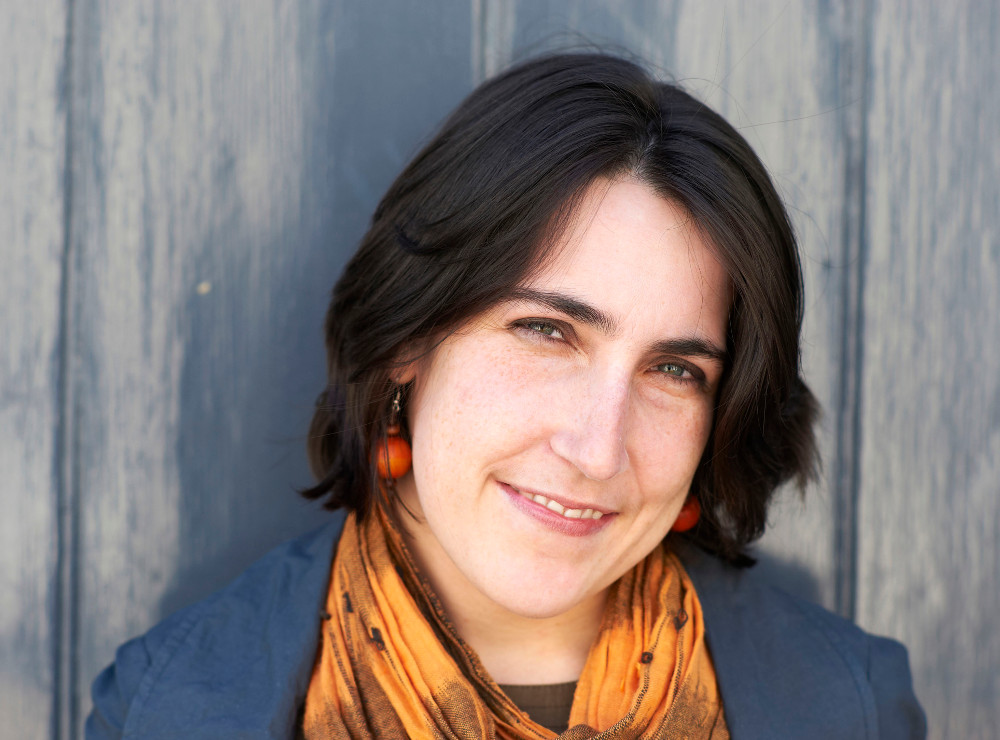
Alexandra Harris

Literary critic, cultural historian, lover of buildings, landscapes, seasons, stories

Born in Chichester, England. Based in Oxford, England, UK

Visit website
Main categories

Non-fiction

Languages spoken

English

About

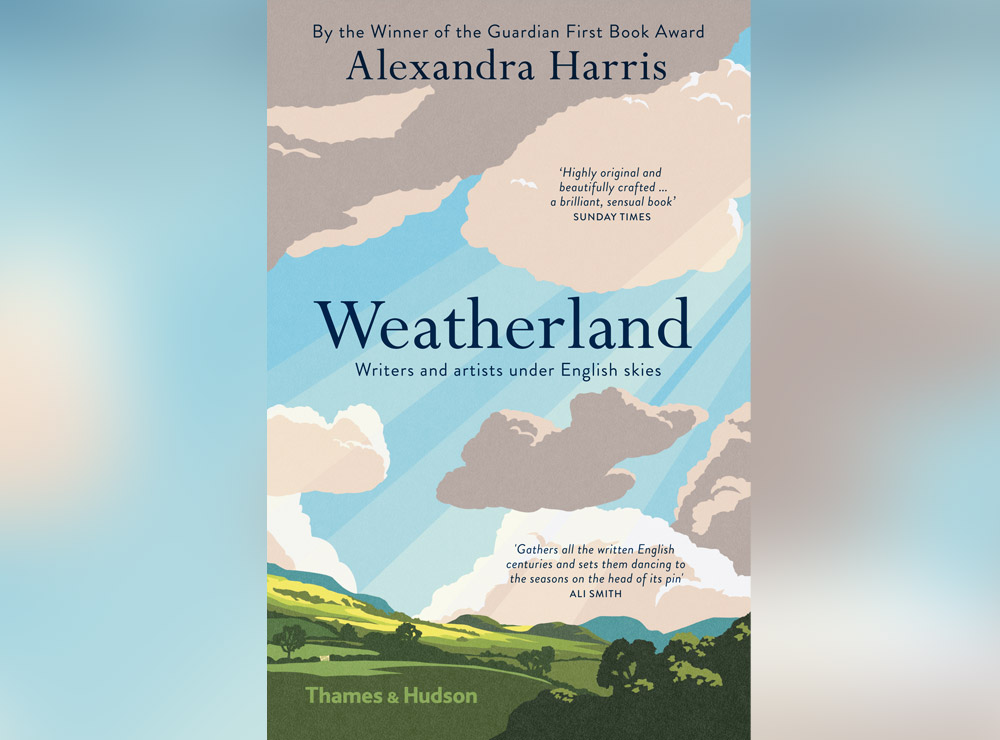
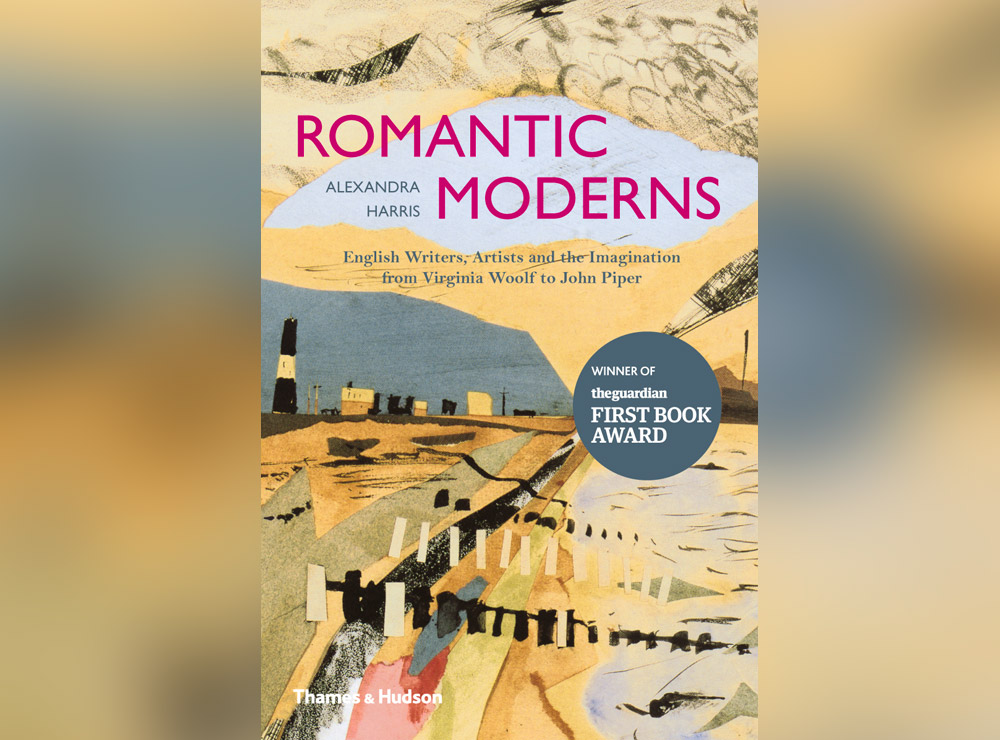
Alexandra Harris is a professor of English at the University of Liverpool and a Fellow of the Royal Society of Literature; she was among the first BBC New Generation Thinkers. Romantic Moderns (2010), her book about English art and tradition in the 1930s, won the Guardian First Book Award and a Somerset Maugham Award. Weatherland (2015), a cultural history of England told through its weather, was shortlisted for the Ondaatje Prize.

Recent radio work includes a series of walks with Virginia Woolf. She grew up in Sussex, lives in Oxford and Liverpool, and visits Cornwall, Devon, Dorset and Norfolk as often as possible. 


Alexandra tells the story of how the weather has written and painted itself into the cultural life of Britain, with music by Jon Nicholls in this BBC Radio 4 programme.


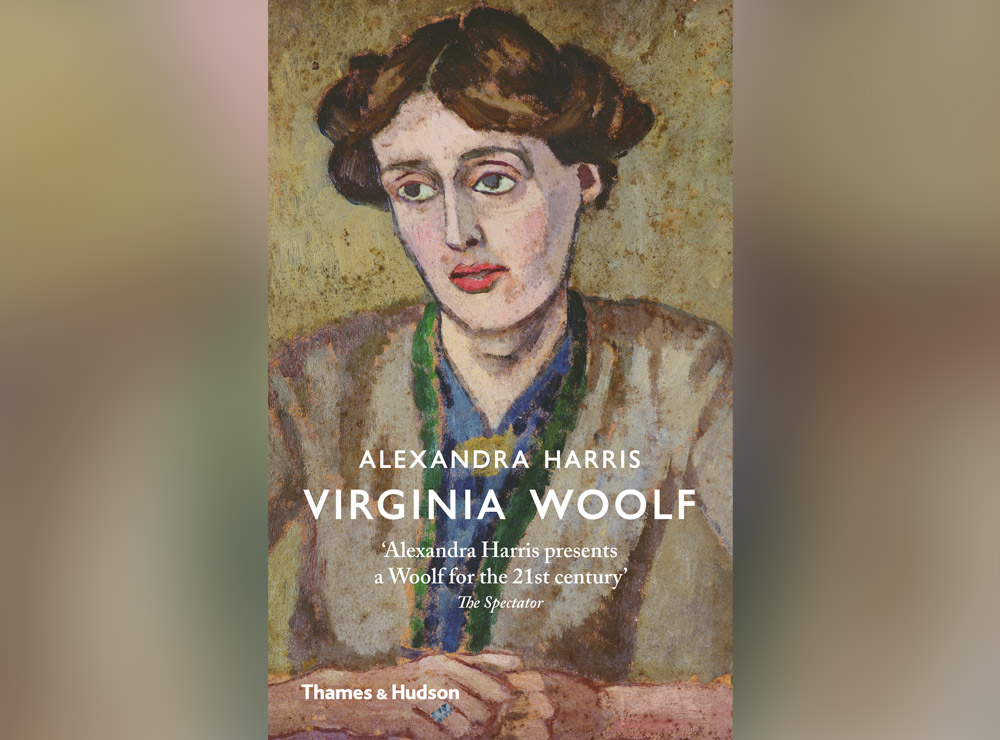
On the centenary of Virginia Woolf's first published novel, Woolf biographer Alexandra Harris takes four walks that inspired her.

Visit websiteREQUEST AN INTRODUCTION
Thank you! Your submission has been received!

Extract: Weatherland

From the introduction to Weatherland

A Mirror in the Sky

          I hope you are better employed than in gaping after weather.

                                                                                   – John Keats[i]

It’s December, the week before Christmas. I have rented for a few nights a sixteenth-century tower in the water meadows under the South Downs in East Sussex. The closest village is Laughton, which is not very near Lewes, though the lights on the edge of town become visible in the distance after dark, and every half hour a train goes along beneath the horizon. Leaning out of a high bedroom window, I have a better view of the ditches and sluices carrying water quietly away across the fields in the moonlight.

In the night I wake up damp with cold. Any movement, even to scratch my nose, creates a breeze. A hot-water bottle lies uselessly beside me, its heat long gone and the kettle which would rejuvenate it sixty-two steps down a spiral staircase in the kitchen. For two hours I lie awake thinking about our sensitivity to temperature, wondering whether people felt cold in this room four hundred years ago, one hundred years ago, twenty years ago. The new thermostat at home works doggedly to keep me at the same temperature all day long; however much I turn it down it flicks on again and wins eventually, insisting on temperate regularity. I am losing the capacity to be comfortably cold. I resist the hot-water bottle, try to enjoy the passing draughts, and fall asleep.

The morning is so triumphantly bright that when I wipe condensation from the window I can see the texture of the grass on Mount Caburn. It is the kind of sharp low light in which archaeologists can see field boundaries and lost villages, a light for seeking out long-buried things. Falling on a notebook by the window, it makes a furrowed landscape of a previously flat page. I proceed to spend most of the day rejoicing in the weather. At Alciston white light comes shafting through the plain church windows as if the pale sun itself had turned protestant; at Alfriston in the afternoon the reed beds turn a tawny orange-grey, gently luminous beyond hedges of dark ilex and yew.

Weather is so mobile that it brings variance to tarmacked roads and concrete towers; a bare wall watched over time is interesting enough. In places where every surface is a different texture, where there are foregrounds and distances, shining berries, dense hollies, building stones which absorb the light in distinctive ways, there is almost too much to look at. I keep taking photographs, trying to catch each shading difference in colour as the afternoon goes on. You’d think I had never seen winter sun before.

Everything changes in the night: as I climb the sixty-two stairs the wind gets louder, and on each of the four floors, going up, I can hear the rain being thrown against the windows with more force. By dawn the meadows are flooded, leaving only small peninsulas of land. The sluice gate by the drive has been overwhelmed by what is now a fast-flowing river. There is no way of getting the car out but, since there seems to be a bit of footpath left, I cannot keep back the impulse to explore on foot. The aim is to collect a Christmas goose ordered from a farm about a mile away. Squelching and sinking, I make it across two fields before coming to a fast river I won’t risk. It is still raining, and the water is going up. If I reached the goose, I’d never get it back. We’ll have a vegetarian dinner.

I love this deluge. Flooding in towns can wreck homes and livelihoods, but here on the marshes flooding is supposed to happen in winter. These low fields have for centuries being taking the burden of the water. The flood laps up to the hawthorn hedges where a few hips show red against the grey. Clumps of brown rotting thistles keep their heads above water. While I’ve been gazing, local people have had the forethought to mark the edge of the submerged road with stakes so that it’s possible to wade through without losing the way. They have also devised a plan for getting in the shopping. A car from the outside world is parked on the far side of the water with a boot full of festive food. Two bags at a time, our neighbour carries his supplies across the flood to his own car, a dock for the ferry’s cargo.

In the evening, when the rain stops and the air is still, I go out again. There are small waves breaking gently on the inland sea. The stakes along the road are only beanpoles, but the wobbly verticals look dramatic. There is enough moonlight to see the outline of Caburn, which is now a cliff rising above water. Gulls have come in from the coast, claiming the levels as their own. Indoors, I find a set of postcards in a drawer, showing Laughton under blue summer skies. There are deckchairs stowed in a cupboard on the stairs. It’s a shock to see them: immersed in December I find it hard to believe in August. This is one of many strange characteristics of our relationship with weather: it is difficult to remember what it feels like to be in any conditions except the ones we’re in. It is almost impossible to pack the right things for a different climate. I can’t even imagine these floods going down.

But they do go down, very quickly. I drive away next day at low tide when the water reveals the land again. The sluice flows along innocently between its banks. The gulls have gathered on the last lake left to them, which sparkles in the sun. So that was my holiday. I have done nothing but watch the light and the water, and feel the cold, the wet, the wind, and afterwards the warmth. There are places where these things are so all-consuming that there’s time for little else.

*

Weather is written into our landscape. I grew up near Coldwaltham in West Sussex, where at some point in the Middle Ages the identity of coldness was attached to the Old English ‘waltham’ (village in the wood). A few miles away, moist air collects in the lea of the downs around Coldharbour Farm (a harbour or shelter from the cold). Chalk Farm in London has its etymological roots in ‘chalde’ from Old English ‘ceald’. Across England there are winterbournes, streams which rise when the water-table is high in winter and recede unobtrusively into the drier landscape of summer.[i]

Weather leaves its physical trace, but there are many aspects of weather which are insubstantial. As the anthropologist Tim Ingold observes, we can feel warmth but we cannot touch it. We can see where a cloud is and where it is not, but we cannot run a finger around its edges.[ii] Shakespeare thought of clouds ‘dislimning’. To ‘limn’ is to delineate, but weather is inimical to lines, dissolving them as soon as they are made. Meteorological phenomena are serially elusive. Winds and air-fronts reveal their characters only in the effects they have on other things. We learn the nature of wind by observing how far smoke drifts from the vertical, or by watching to see whether twigs are moving or just the leaves: the Beaufort Scale uses these signs from the visible world as a gauge for the invisible wind. We all have our personal variants on the official scale, the things we look to for clues, and we come to understand places through the marks the wind has made on them. Emily Brontë described the wind at Wuthering Heights by reading the angle of its trees: ‘one may guess the power of the north wind blowing over the edge, by the excessive slant of a few stunted firs at the end of the house; and by a range of gaunt thorns all stretching their limbs one way, as if craving alms of the sun’. These are the expressive signs of wind, though they are not the wind itself.[iii]

This elusiveness, combined with tremendous power, means that in almost every culture the weather has at some stage been thought divine. It has in turn provided the imagery by which deities are known. The Christian God, everywhere present but nowhere visible except in His workings, is often represented as a figure emerging from cloud or air. Speaking out of a whirlwind to put Job in his place, God defines omnipotence through His command of weather. His speech, as translated in the King James Bible of 1611, poses some of the most beautiful and enduring questions in literature:

Hast thou entered into the treasures of the snow? or hast thou seen the treasures of the hail, which I have reserved against the time of trouble, against the day of battle and war? By what way is the light parted, which scattereth the east wind upon the earth? Who hath divided a watercourse for the overflowing of waters, or a way for the lightning of thunder; To cause it to rain on the earth, where no man is; on the wilderness, wherein there is no man; To satisfy the desolate and waste ground; and to cause the bud of the tender herb to spring forth? Hath the rain a father? or who hath begotten the drops of dew?[iv]

The secret workings of weather are here imagined in ways which are at once solid and elusive. Snow and hail exist in permanent states, stored up for the future. A ‘way’ must be made for the lightning because the Israelites believed the sky to be a solid layer between the earth and the heavens, through which channels were cut for the weather. The sky was often described as a sheet of metal, polished to reflect the light. The King James translators, working in a new age of mirrors, likened the sky to ‘a molten looking glass’.[v] These images of the sky as a solid architectural structure are combined with lyric appreciation of the delicacy and diversity of weather. God’s words to Job, though spoken in anger, describe the extent of His power in relation to dewdrops as well as lightning. The questions are presented rhetorically because it should be obvious to Job that the answer in every case is God. But the point is also that these are great mysteries of the world, and so they have remained. Today, whether or not we find God in snow, we continue to feel wonder.

The Christian story proposes variable weather as one of the penalties brought down on humankind for its sins. In Eden there was moisture to nurture the abundant plants, and such warmth that Adam and Eve needed no extra layers. If there was ‘weather’ at all, it was steadily benign. The trouble began either immediately after the Fall or with the Flood. John Milton in Paradise Lost described the creation of weather as one of the dire ‘alterations in the heavens and elements’ set in train by God as soon as the apple was eaten.[vi] Winds were summoned to do battle in the air. Angels tipped the earth on its axis, subjecting it to the variability of seasons. Man would now have to cope with the unpredictability of a lopsided globe. The twinned genesis of weather and time is remembered in the French phrase ‘les temps’, Spanish ‘tiempo’ and Italian ‘tempo’. Having lost the eternal stability of Eden, man must live in passing airs and hours.[vii]

The worst of the Old Testament punishments came in the form of calamitous weather. The Flood demonstrated to Noah and to centuries of Bible-readers that rainfall is capable of wiping out human life. Later floods, gales, and freezes have been understood by many who suffered in them as sequels to those first, awful retributions. During the Middle Ages and the Renaissance it was commonly believed that the earth was yearly getting colder as it left temperate Eden further and further behind. This was easily conflated with the classical scheme in which Jupiter introduced the seasons after the perpetual spring of the golden age. We still ask ourselves on a daily basis if the weather is a curse or a blessing. We still see both horror and treasure in hail.


Notes

Introduction: A Mirror in the Sky

[i] Keats to J. H. Reynolds, 21 September 1819, Selected Letters, 264.

[ii] Judith Glover, The Place Names of Sussex (Batsford, 1975, 1986), 37; John Field, Place-Names of Greater London (Batsford, 1980), 12; Richard Hamblyn, ‘Winter’, in The River Winter, ed. Jem Southam (Mack Books, 2012), n.p.

[iii] Ingold, ‘Earth, Sky, Wind, and Weather’, in Being Alive, 115–125.

[iv] Antony and Cleopatra 4: 14; on Beaufort Scale see Huler, Defining the Wind; Brontë,Wuthering Heights, vol. 1, ch. 1, p. 2.

[v] King James version, Job 38: 22–28.

[vi] King James version, Job 37:18. Coverdale gives the sky as ‘clear metal’.

[vii] Milton, Paradise Lost, 10: ‘the argument’ and ll. 650–707. The Bible leaves much room for doubt about when, where, and how weather began. Genesis 2: 5–6, prior to the creation of man, ‘the Lord God had not caused it to rain upon the earth, and there was not a man to till the ground. But there went up a mist from the face of the earth, and watered the whole face of the ground’. The next definite mention of weather is at the Flood.

[viii] Michel Serres, The Natural Contract (1990), trans. Elizabeth MacArthur and William Paulson (University of Michigan Press, 2005), 27: ‘By chance or wisdom, the French language uses a single word, temps, for the time that passes and the weather outside’. The etymology suggests a history more interesting than chance: Latin ‘tempestas’ meant variously and interrelatedly ‘period of time’, ‘season’, ‘period of weather’. 

Niven Govinden

British novelist. Known as a "writer's writer"
Born in Hastings, England. Based in London, England, UK

Visit website
Main categories

Fiction

Languages spoken

English

French

About

The author of four novels, most recently All The Days Nights, longlisted for the Folio Prize and shortlisted of the Green Carnation Prize. 2013 winner of Fiction Uncovered Prize. Second novel Graffiti My Soul about to go into film production Autumn 2016. Short stories published globally. Outside the UK, novels translated/published in Germany, Italy, India, Canada, US, Australia/NZ.  


Visit websiteREQUEST AN INTRODUCTION
Thank you! Your submission has been received!

Bibliography

All The Days And Nights, 2014, Friday Project/Harper Collins

Black Bread White Beer, 2012, Friday Project/Harper Collins

Graffiti My Soul, 2007, Canongate

We Are The New Romantics, 2004, Bloomsbury

Harry Josephine Giles

Multiplatform poet and performer, making strange, delightful and political interventions

Born in London, England. Based in Edinburgh, Scotland, UK

Visit website
Main categories

Poetry

Languages spoken

English

Scots

About

Harry Josephine Giles is a writer and performer from Orkney, now living in Edinburgh. They have lived on four islands, each larger than the last. They have a MA in Theatre Directing from East 15 Acting School are studying for a PhD in Creative Writing at the University of Stirling. Harry Josephine's work generally happens in the crunchy places where performance and politics get muddled up.

As a poet, Harry Josephine has toured North America, given feature sets at venues from the Bowery Poetry Club to the Soho Theatre, performed at festivals from the London Book Fair to Edinburgh’s Hogmanay, and won multiple slams including the BBC Scotland Slam 2009. They won the IdeasTap National Poetry Competition in 2012, and both their poetry books — Tonguit (Freight Books 2015) and The Games (Out-Spoken Press 2018) — were shortlisted for the Edwin Morgan Poetry Award, with Tonguit also shortlisted for the Forward Prize for Best First Collection.

As a theatre artist, Harry Josephine has been featured in the SPILL National Platform, and at festivals including Forest Fringe (UK), NTI (Latvia), CrisisArt (Italy) and Teszt (Romania). Their one-to-one show What We Owe was listed in the Guardian’s “Best of the Edinburgh Fringe” round-up – in the “But is it art?” section. They are currently touring the multimedia poetry show Drone which will feature at the Edinburgh Fringe 2019.


Harry spoke to the Scottish Poetry Library in this podcast about politics, a messy take on the Scots language, and the time the Daily Mail called them 'vile'.


Forward-shortlisted poet Harry Giles chats to Laura Waddell about Tonguit from Freight Books on Vimeo.

Visit websiteREQUEST AN INTRODUCTION
Thank you! Your submission has been received!

Janice Galloway

Work alone and/or collaborate (painters, sculptors, libretti - all comers)

Born in Ayrshire, Scotland. Based in Scotland, UK

Visit website

About

Janice Galloway is an author of award-winning fiction, non-fiction, and texts for sculptors, photographers, painters, typographers and videographers. Her first novel, The Trick is to Keep Breathing (1990) was re-released in Vintage Classic in 2016. She has written three volumes of short stories, three novels, two books of anti-memoir and two exhibition/tandem texts for Orcadian sculptor Anne Bevan - Rosengarten (now in the permanent collection of the Hunterian Art Gallery, Glasgow) and Pipelines. Extensive collaborative work includes texts for typographers, sculptors, painters, musicians, galleries and others.  

Visit websiteREQUEST AN INTRODUCTION
Thank you! Your submission has been received!

Bibliography

The Trick is to Keep Breathing, 2015, Vintage Classics Edition

Jellyfish, 2015, Freight Books

All Made Up, 2011, Granta

Collected Stories, 2009, Cape

This is Not About Me, 2008, Granta

Rosengarten, 2002, Platform Projects

Clara, 2002, Cape

Pipelines, 2000, Fruitmarket Gallery

Where You Find It, 1996, Cape

Foreign Parts, 1994, Cape

Blood, 1991, Cape

The Trick is to Keep Breathing, 1989, Polygon Press/ Cape

Extract: Clara

Translated into Italian, Slovene, Macedonian translations: (notionally) Russian translation pending    

     Sing. One word. Sing!
     She doesn’t speak, has never spoken. Four years old and not a word.
     Some people say she’s deaf or simple; others that she’s both, but they’d be wrong. This child takes instruction, clears her plate. Comes when she is called. She doesn’t laugh much and thank god seldom runs. She is not as clumsy as most her age and has no perceptible need of toys. As for her silence - well. that was an admirable trait in a woman. What’s more she can find her own way home, blindfold if the need arose.

     Grey walls rising three floors. It’s a plain house, neither elegant nor grand. Sufficient is the word that springs to mind: this house is pleasingly adequate. There is a door and matching shutters in dutiful loden; ten solid apartments and loft-space, all necessary. There are Music rooms, workshops, the warehouse; a spread of bedrooms, a sitting room, parlour, kitchen. One servant’s room, one servant, three big windows, eleven pianos. That’s what bulks up the space. Pianos. They’re not slight beasts, not dainty. Varnished edges sharp enough to cut, snap-shut lids, shin-battering pedals, stops, stands. Watch boys lifting them for transport and you’d see - pianos, even small ones with painted lids and silver candle sconces, all nymphs and weeping trees, are brutes. Unwieldy lumps. Stand between them and they crack, moan, breathe out wood: a little girl could get lost among their brown bull legs. That she never does is just as well, for the pianos keep coming. He trades one, puts one out for hire, two more appear. Teaching, trade, sale and barter; livelihood, aspiration: this house is made of pianos. That’s what people come here for. The hall is full of silhouettes; cheaper than miniatures. One bears a passing resemblance to Schubert, another Beethoven. Everyone has these. But trying to concentrate, to think in this place is impossible. This house has no peace. It rings and resonates, echoes from all its corners. Pianos. Voices. Sound.

     During the day, all day, the music rises. Standing over the practise room ceiling, upon the floorboards of elsewhere, she can feel it buzz beneath the soles of her canvas shoes. Music makes sensation, it vibrates along the bones. Johanna is always there, but rocking a crib, building a pyre of sticks for a fire, grating something green. Ivory inlays, fresh covers for naked keys, scatter the table like dead giant’s teeth. These things are particular; the very look of them fills her with warmth. Treasure. Not that she knows the word herself. She calls nothing anything, gives no clue she would like to. Princess, hero, fairy tale - the same. Why should she know? No one reads to her. Johanna has never learned and in any case uses speech like pepper: sparing, seldom, sometimes not at all. Wieck reads, he reads a great deal but only to himself and things so tedious he sometimes throws them at the wall and goes out walking to escape. Letters too! They can make him spit. Once he lived on bread and water, hid his shirt cuffs in public lest the fraying show, but he built his Life with Unswerving Dedication and Selfless Effort and now - well, look at him. He signifies. Music changed his life forever and he’ll tell the story to anyone. He’s not proud. Six free lessons from Milchmayer, and his destiny, he says, was altered. Milchmayer was a cripple in a metal crate but a Great Man nonetheless. Spohr too - and Weber. He knows because they answered his letters, they took the time. Great Men all. Great Men have shaped Our Lives. He’s in a good mood when he tells her these things: his face looks less solid. He doesn’t read to her, perhaps, but he tells her tales about his life, Great Men and Jesus. If she’s can’t hear or comprehend, what’s the loss? He can speak enough for a household, the voice of one trained to know and disseminate the will of God, so who need add or interrupt? He speaks because he speaks. He does it well. He’d tell an empty room, maybe, and the child is at least more than that.
    Mother does not read because she is a singer.
    And her name is pretty as a petal. Marianne.
    That’s everything there is to know. Everyone. Friedrich and Marianne: Mama and Papa. Alwin and Gustav, are only little boys who make too much noise and need things all the time and nobody mentions Adelheid. Adelheid had no birthdays - what is there to say? The Lord giveth etc and acceptance is a lesson that none may avoid. After that, there is only Johanna. Johanna smells of fat and ashes. Her breasts are a mattress of flesh. When she reaches behind for the buttons at the back of your dress at night, one arm on each side, you can hardly breathe. Johanna cooks and mends. She washes, irons and starches. She clears the grate and leads it, builds fires, polishes brass, wood and iron surfaces, washes glass with vinegar. She orders kitchen supplies, deals with tradesmen, draws up household inventories, minds children, arranges hair when necessary, makes shirts, aprons, caps, slippers and bibs. Johanna sews. She cleans their teeth at night, the length of her pinpricked fingers slathered in salt. Huge, bloody as sausage, the nails bitten past the quicks to half-moon silvers. Johanna’s hands. After years, decades, the child they ministered to will be able to conjure them at will. She will be able to recall the smoothness of her face, the smell of her, heady as last week’s soup, that her eyes were grey. But no voice. Nomatter how hard she tries: nothing. Johanna didn’t speak enough to leave a trace. She’s been told again and again: Didn’t speak so you’d notice, the approval with which it was said. Then again, she must have said something, at least now and again; she must have uttered their names. Her name. How do you discipline a child without speaking her name?

     Clara.
     It means limpid. Light. Her father chose it.
    Clara. Say it. Clara. He holds a watch in front of her face. It swings to and fro on a chain. Gold or brass, perhaps, beautifully polished. The child’s eyes make half her face dark. They tilt at the corners like a Slav’s.
      Clara. You may hold papa’s watch if you say it.
      The reflection in her pupils shows the face of a man, doubled; twin timepieces, swinging.

     Friedrich lusted for Clara irrespective of her sex. Before he knew what she was, who she was, he knew what she would be: the greatest pianist he could fashion, his brightness, a star. He never allowed himself to think she would not survive. He had worried for Adelheid and what had it meant? The crunch of his tiny fists, the blue cast of his lips. Adelheid died before there was much to see, but what there was, Friedrich remembered. He remembered very clearly. White-blond, unlike either parent. As though he was built in error. His firstborn, then, was a failure. Clara arrived on the first day of the working week, full head of dark hair first, eyes open if the midwife was to be believed. The weight of her in his arm, when he held her, was solid. His true first-born, he thought. He felt her struggle against the shawl. And there and then a tightness in his chest welled up so sudden, so powerful, he was forced to sit lest he fall. It was a sensation he had never experienced before and it frightened him more than a little. He sat with his eyes closed, listening to his own breathing as it shuddered under control, steadied itself. The smell of her, like warm fruit, soothed him. But soothing was softness, and softness counted for nothing in this life. His eyes still closed, the moment suggesting itself, Friedrich prayed. He absorbed the supple scent of her, and prayed for iron. She would see strength, this child. She would acquire it, too. This time, it would be different. Done, he looked down at her wide-open eyes, her jet-black head, saw her looking back. It was not foolish to think so. This child was here for the duration. Swinging his watch like Mesmer, repeating her name.
    Clãrchen, Little Clara, My Clara.

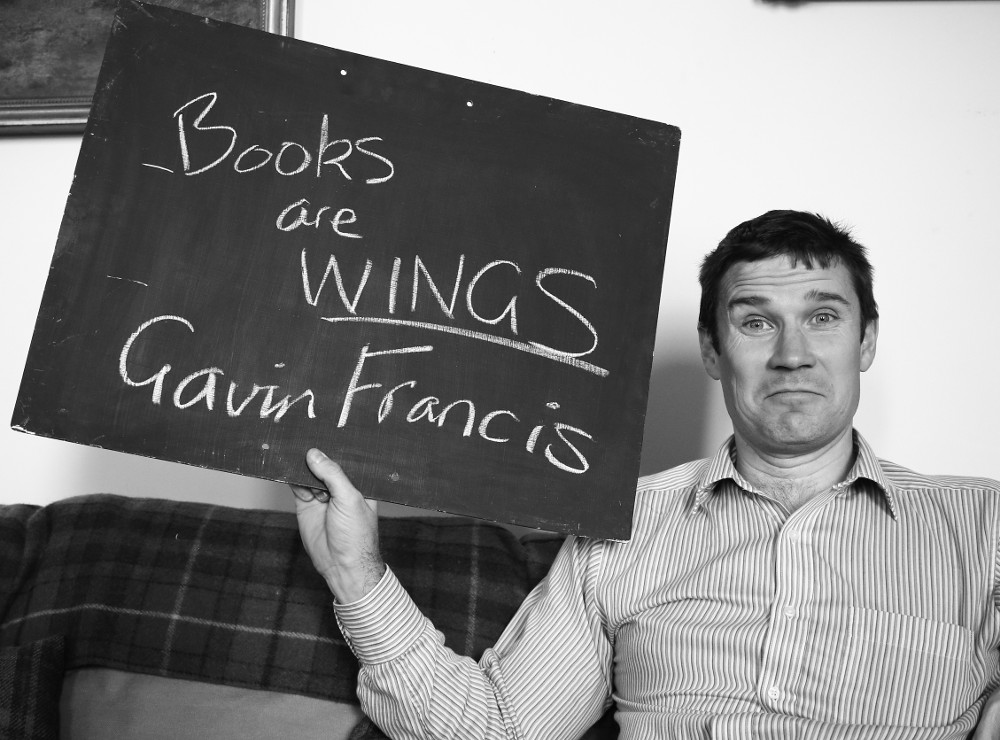
Gavin Francis

Writer and doctor exploring geographical, anatomical and cultural landscapes

Born in Irvine, Scotland. Based in Edinburgh, Scotland, UK

Visit website
Main categories

Non-fiction

Languages spoken

English

Italian

About

Gavin Francis grew up in Fife, Scotland, and holds degrees in Neuroscience and Medicine from Edinburgh University. After qualifying he spent ten years travelling and working, visiting all seven continents, working as an expedition doctor in the Arctic and Antarctic, and driving a motorcycle from Scotland to New Zealand.

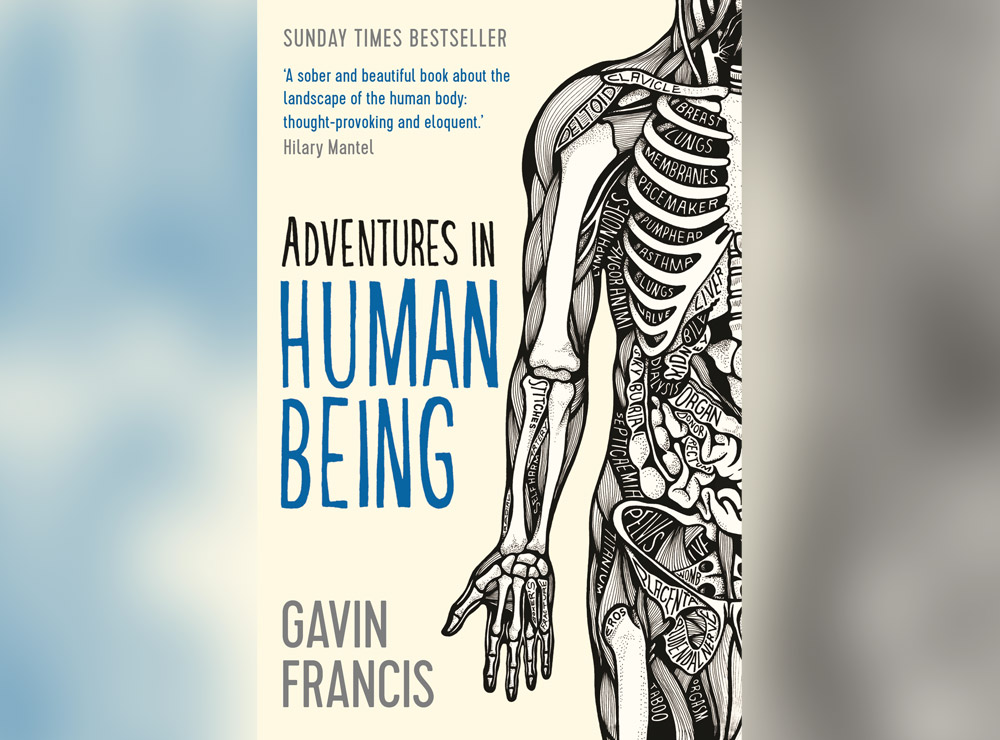
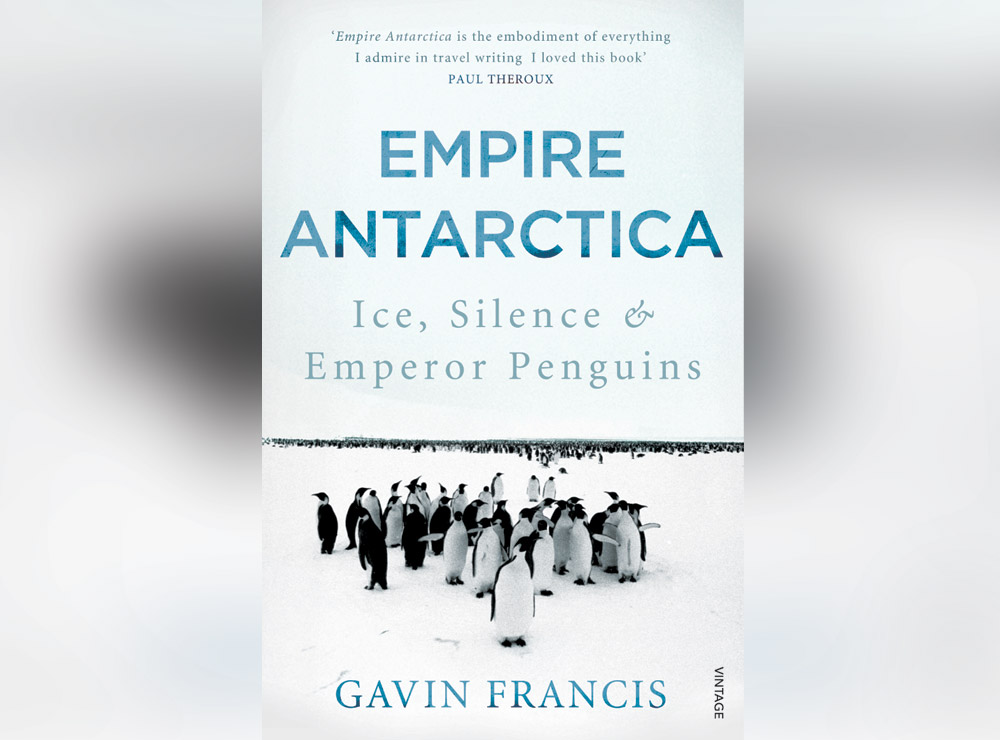
He's the author of three books: True North (2008, 2010), Empire Antarctica (2012) and Adventures in Human Being (2015). He's the recipient of several literary awards, his work is published in 12 languages, and he's a regular contributor to the Guardian, London Review of Books, and New York Review of Books.

Visit websiteREQUEST AN INTRODUCTION
Thank you! Your submission has been received!

Laura Dockrill

baby. granny. annoying. optimistic. potato-eating. writing. drawing. talking. colourful.

Born and based in London, England, UK

Visit website

About

Laura Dockrill is an award winning author and illustrator.

Her first book for children, Darcy Burdock, was shortlisted for the Waterstones Book of The Year Prize and long listed for the Carnegie Medal as well as her debut young adult novel, Lorali.

Her previous works Mistakes In The Background, Ugly Shy Girl, and Echoes earned her plaudits like Top 10 literary Talent from The Times newspaper and Top 20 hot faces to watch from Elle Magazine.

Laura has appeared on a host of TV programmes; CBeebies, Blue Peter, Newsnight and BBC Breakfast to name a few.

Her radio prowess spans across the entire BBC network, having performed works on Radio 1 through 6 including Woman's Hour and Open Book.

Visit websiteREQUEST AN INTRODUCTION
Thank you! Your submission has been received!

Bibliography

Lorali, 2015, Hot Key

Oh, obviously (Darcy Burdock), 2015, Random House

Sorry About Me (Darcy Burdock), 2014, Random House

Hi So Much (Darcy Burdock), 2013, Random House

Darcy Burdock, 2012, Random House

ECHOES, 2010, Harper Collins

Ugly Shy Girl, 2009, Harper Collins

Mistakes in The Background, 2008, Random House

Richard Beard

Curious, experimental, mashed-up

Born in Swindon, England. Based in Oxford, England, UK

Visit website
Main categories

Fiction

Non-fiction

Languages spoken

English

French

About

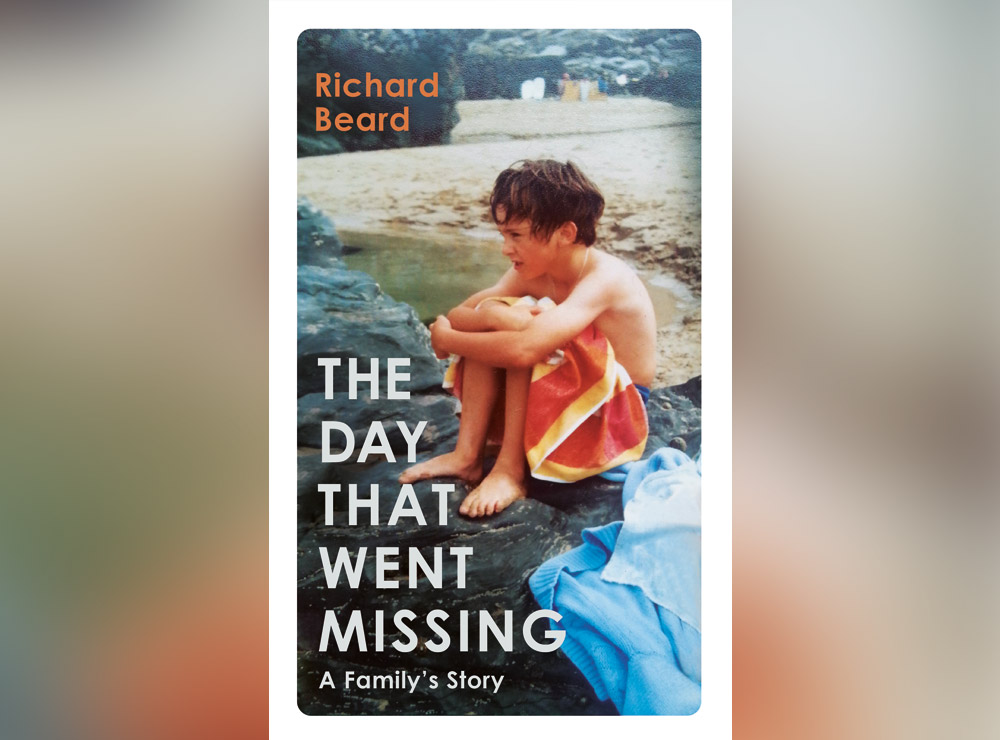
Richard Beard's six novels include Lazarus is Dead, Dry Bones and Damascus, which was a New York Times Notable Book of the Year. His most recent novel, Acts of the Assassins, was shortlisted for the Goldsmiths Prize, and he is the author of four books of narrative non-fiction, including the 2017 memoir The Day That Went Missing.

Formerly Director of The National Academy of Writing in London, he is a Visiting Professor at the University of Tokyo, and has a Creative Writing Fellowship at the University of East Anglia.


Words as Words: Richard Beard from It's Nice That on Vimeo.

Visit websiteREQUEST AN INTRODUCTION
Thank you! Your submission has been received!

Bibliography

The Day That Went Missing, 2017, Harvill Secker

Acts of the Assassins, 2015, Harvill Secker

Lazarus is Dead, 2011, Harvill Secker

Becoming Drusilla, 2009, Harvill Secker

Manly Pursuits, 2006, Yellow Jersey

Dry Bones, 2004, Secker and Warburg

Muddied Oafs, 2003, Yellow Jersey

The Cartoonist, 2000, Bloomsbury

Damascus, 1998, Flamingo HarperCollins

X 20, 1996, Flamingo HarperCollins